PRP Facials: Why the Same Treatment Gives Different Results
What You’ll Learn:
- What a PRP facial is and how it’s made from your own blood
- Why the same treatment can give different people different results
- What the newest research confirms
- A rare but serious risk almost no one talks about
- How to check if a provider is doing it right
Ask five people about their PRP facial and you might get five different answers. Some notice smoother, firmer skin within weeks. Others feel like nothing changed at all. A lot of online explanations chalk this up to weak or inconsistent clinical evidence, but that’s only part of the picture. Newer clinical research actually shows PRP producing statistically significant results, which raises a more useful question: if the treatment works in controlled studies, why do real-world experiences vary so much?
PRP has been around in medicine for decades, originally used to speed up healing in orthopedic injuries and dental surgery before it made its way into skincare. Its more famous nickname, the “vampire facial,” took off after a few celebrities showed off bloodied faces on social media, which did spread curiosity. Stripped of the theatrics, PRP is really a treatment built from your own biology, which is part of why people assume it should work consistently. As it turns out, that assumption is only partly true.
What’s Actually in a PRP Facial
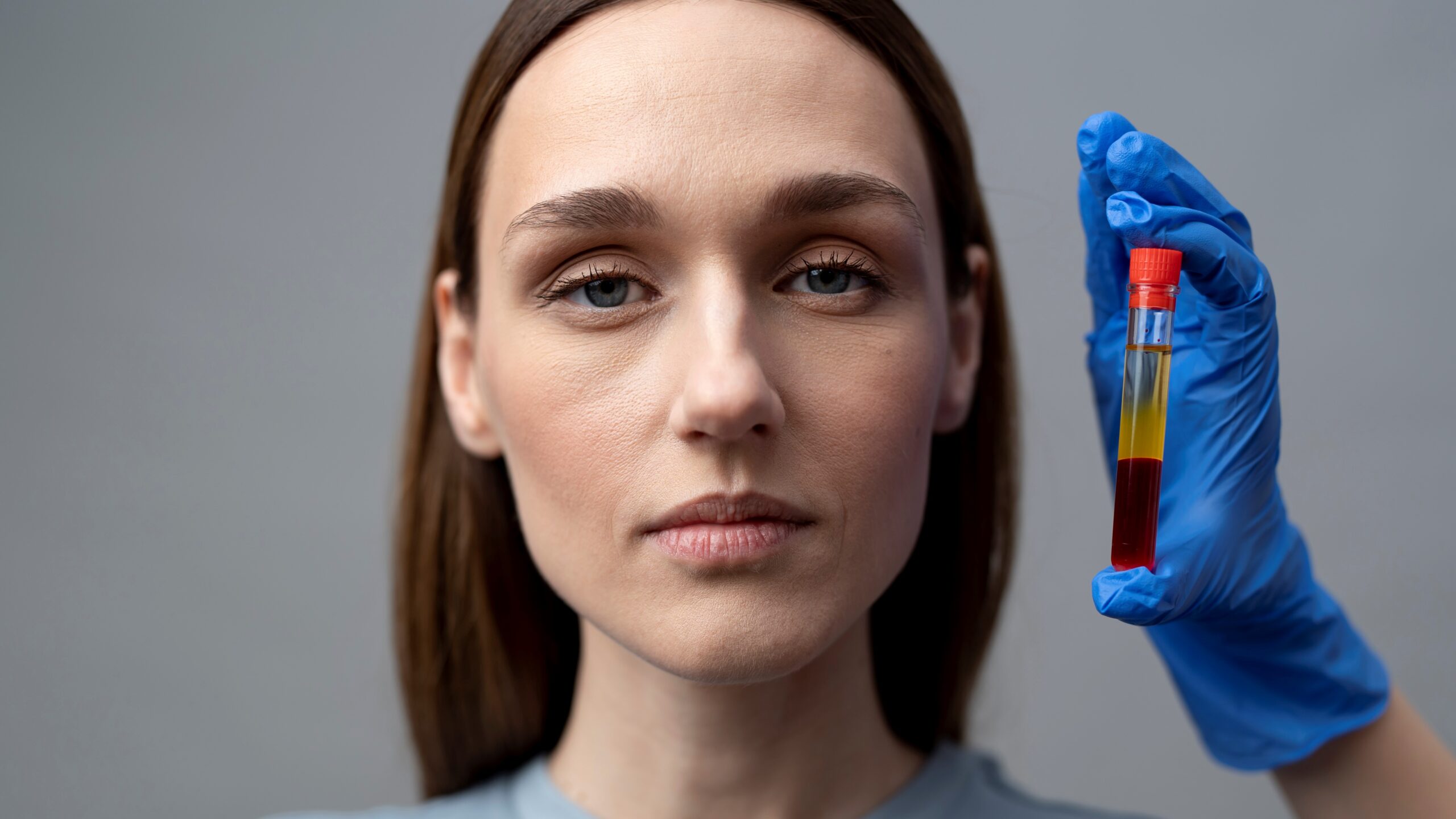
PRP stands for platelet-rich plasma. Here’s how it’s made:
- A small amount of your blood is drawn.
- It’s spun in a centrifuge to separate and concentrate the platelets.
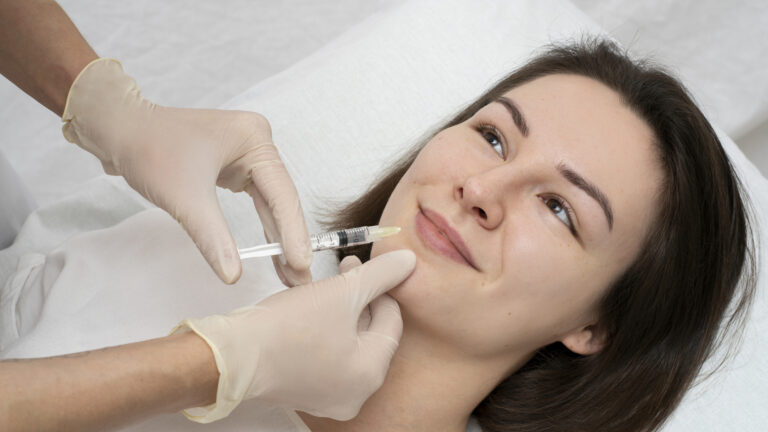
- That concentrated plasma is injected back into your skin.
Platelets contain more than 30 active substances. Once injected, they signal skin cells called fibroblasts to make more collagen and elastin, according to a 2026 meta-analysis. In theory, this should work the same way every time since it’s your own blood doing the repair. In practice, that’s where things get complicated.
The Evidence Just Got Stronger
Older articles calling PRP “unproven” are behind the times. The 2026 meta-analysis pooled results from 9 well-designed clinical trials covering 358 patients. Here’s what it found:
| Outcome | Result |
|---|---|
| Patient satisfaction | 34% more likely with PRP than without |
| Objective skin improvement (measured by doctors) | 42% better than without PRP |
| Side effects | No meaningful difference from control group |
A separate 2024 review looked at 11 earlier studies covering 382 patients. Across those studies, people saw real improvements in:
- Fewer and smaller wrinkles
- Firmer, more elastic skin
- Less pigmentation
- More collagen in the skin
One study in that group measured collagen directly through skin samples and found an 89% increase after treatment. That’s a striking number, but it only came from one specific study, not an average across everyone who gets PRP.
Why the Same Treatment Isn’t Really the Same Treatment
PRP isn’t one standard treatment, like a fixed dose of medication. It changes a lot depending on how it’s made.
Across the studies in the 2024 review, researchers used different methods:
- Spin time varied widely. Some used one centrifuge spin, others used two. First spins ranged from 5 to 10 minutes. Second spins ranged from 3 to 10 minutes.
- Platelet and white blood cell content varied. Some PRP is “leukocyte-rich” (more white blood cells), some is “leukocyte-poor” (fewer). These can behave differently in skin.
- Some providers activate the plasma with extra compounds before injecting it. Others don’t.
- There are more than a dozen commercial PRP systems on the market, each producing a slightly different final product, according to a 2025 review.
None of this is a small detail. It’s likely the biggest reason two people can both say they got “a PRP facial” and still end up with different results, because they may not have gotten the same treatment at all.
What Do Your Results Mean?
The answer to “does PRP work” isn’t a simple yes or no. It’s closer to this: PRP shows real, measurable benefits in research, but personal results depend heavily on the specific method a provider uses. Even the researchers behind the 2024 review said the field needs standardized preparation methods, because right now it’s hard to compare results across different clinics and studies.
This also explains why timelines and duration vary so much between patients. Most people notice gradual improvement over 4 to 6 weeks as collagen rebuilds, and results from a single session typically last several months before fading. Clinics often recommend a series of 3 sessions spaced about a month apart, followed by occasional touch-ups, though there’s no agreed schedule since so much depends on the preparation method and how a person’s own skin responds.
A Rare Risk Most Articles Skip
Most PRP blog posts, especially cost guides and “how many sessions do I need” content, leave out safety details. One rare but serious risk deserves honest mention.
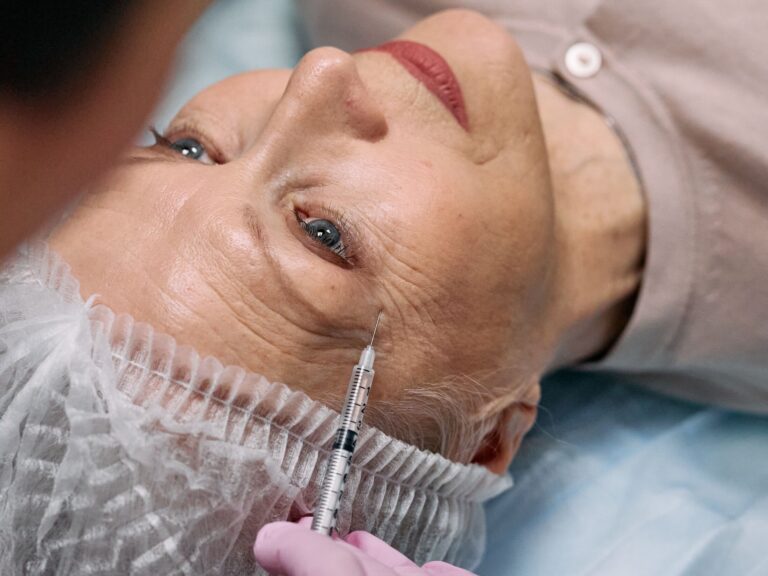
The 2024 review found 7 documented cases of vision loss or vision problems in one eye following PRP facial injections. All were linked to injections in the glabellar area, the spot between the eyebrows. That area has fewer backup blood vessels than most of the face, which makes it riskier if plasma accidentally enters a blood vessel instead of the skin tissue. Of those 7 cases, only 1 person fully recovered vision, and it took three months.
This isn’t a reason to avoid PRP altogether. It’s rare, and it comes down to injection technique and location, not PRP itself being unsafe. But anyone considering treatment near the eyebrows should ask a professional about this directly.
Questions to Ask a Provider
Since preparation methods vary so much, a few direct questions can help you tell a careful provider from a less careful one:
- What PRP system or kit do you use, and how long have you used it?
- Is your plasma leukocyte-rich or leukocyte-poor, and why did you choose that for facial treatment?
- How many sessions do you recommend, and how far apart?
- Have you injected PRP near the eyebrow area before, and what precautions do you take there?
A provider who answers these clearly, rather than with vague reassurance, is a good sign that they understand what they’re doing.
Conclusion
PRP facials work, but they’re not a guaranteed miracle either. Recent research shows statistically significant improvements in both how patients feel about their results and how doctors measure them. But the treatment varies a lot depending on how it’s prepared, and that’s likely why results differ so much from person to person. Understanding that difference is the key to choosing a provider carefully instead of hoping for the best, and it’s a far more useful way to think about PRP than simply asking whether it “works.”
FAQ
Does PRP work for anti-aging?
Recent research found statistically significant improvements in both patient satisfaction and doctor-measured skin results compared to no treatment.
Why do some people get better PRP results than others?
PRP preparation varies a lot between providers, including spin time, platelet concentration, and white blood cell content, and all of these affect how well the treatment works.
Is PRP safe?
Generally yes, with mild side effects like bruising being most common. Rare but serious complications, including vision loss tied to injections near the eyebrows, have been documented and are linked to technique rather than PRP itself.