
Ectoin in Skincare: The Hydration Ingredient Worth Trying
Ectoin protects skin cells with a water shield, calms irritation, and holds up in real clinical trials. Here’s how it works and who should try it.
Here we take a closer look at the ingredients inside your skincare products. This includes deep dives into specific actives, how they compare to established ingredients like retinoids, and how to combine them safely with other treatments or devices for your anti-aging journey.
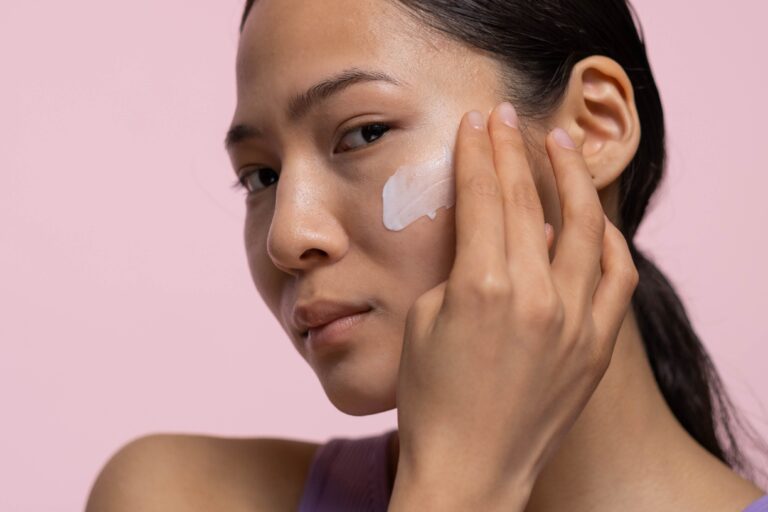
Ectoin protects skin cells with a water shield, calms irritation, and holds up in real clinical trials. Here’s how it works and who should try it.
Bakuchiol matches retinol’s anti-aging results with less irritation, per clinical trial data. See how it works, where it excels, and what’s still unproven.
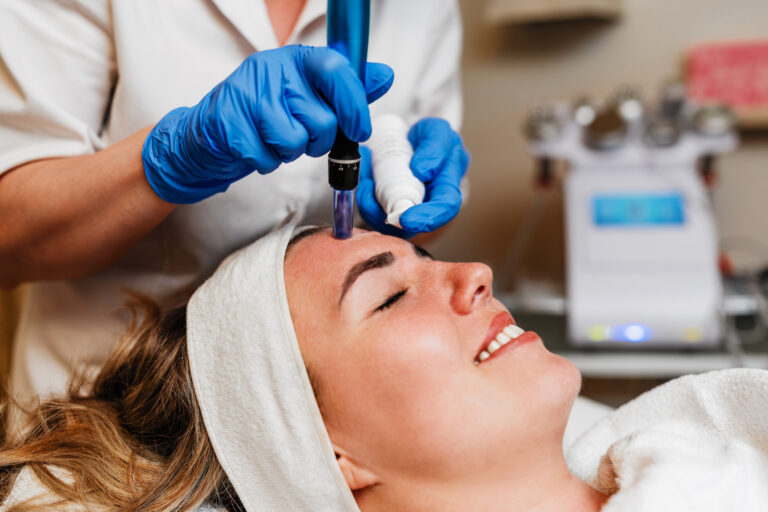
Exosomes are everywhere in skincare right now. Here’s what clinical studies actually show, and what the FDA rules really mean for you.
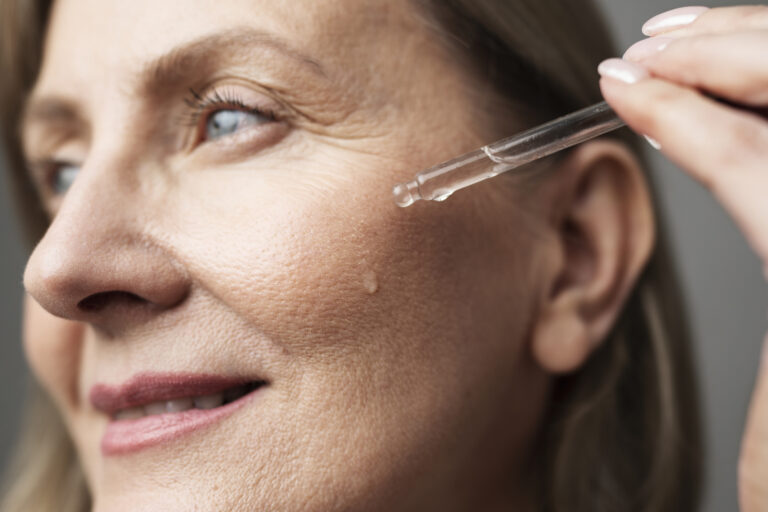
Discover how niacinamide fights wrinkles, redness, and barrier damage — and how it compares to retinol, backed by clinical research.
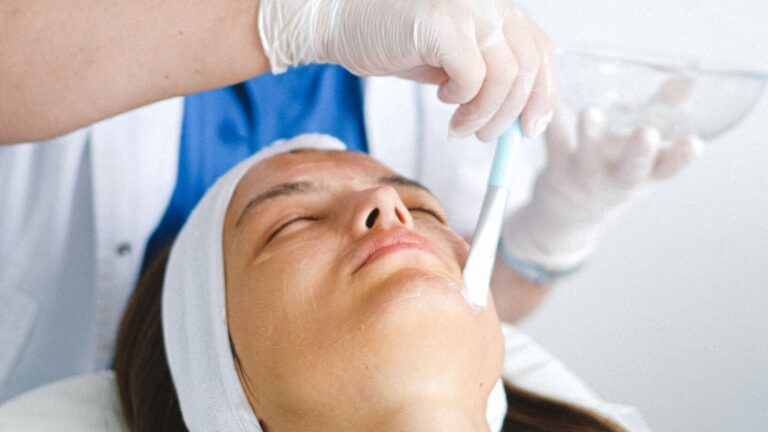
Chemical peels range from gentle at-home pads to deep clinical treatments. Here’s which depths actually reduce fine lines, sun damage, and collagen loss, and which are mostly marketing.
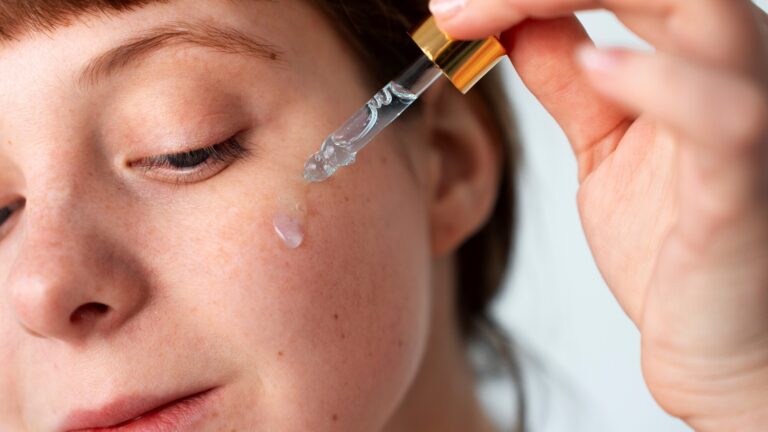
Peptides are everywhere in skincare right now, but are they actually changing anti-aging routines or just riding a trend? Here is what the evidence really shows.
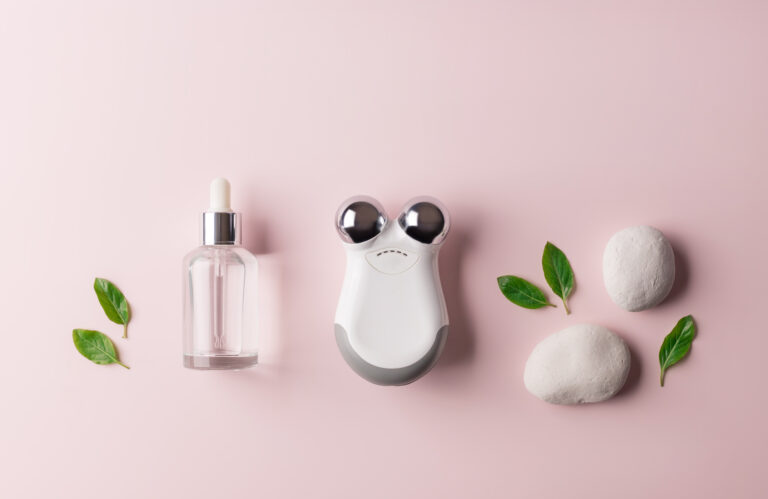
Combine retinoids and anti-aging devices incorrectly can cause irritation or reduce results. Here’s the science behind each, and exactly how to layer them safely for maximum effect.

Anti-aging creams promise miracle results, but only a handful of ingredients are backed by real clinical evidence. Here’s an evidence-ranked breakdown of what works and what’s mostly marketing.