
10 Collagen-Boosting Foods for Youthful Skin — Backed by Science
Your skincare shelf gets a lot of attention. But what you eat every day sends equally powerful signals to your skin cells. Signals that either support collagen production and protect skin structure, or quietly accelerate its breakdown.
The science here is clearer than most people realize. A growing body of peer-reviewed research confirms that specific dietary patterns and individual foods measurably influence skin aging — not through vague “glow from within” claims, but through documented biological mechanisms. This article covers 10 of the best-evidenced foods, what each one actually does at the cellular level, and how to build them into your daily diet.
What You’ll Learn:
- Which foods have genuine clinical evidence for supporting skin collagen
- The biological mechanisms through which diet influences skin aging
- Simple, practical ways to work these foods into everyday meals
How Food Affects Your Skin
Skin aging is driven by two processes at the cellular level: collagen degradation and oxidative damage. The foods you eat influence both. Nutrients either supply the raw materials for collagen synthesis, neutralize the free radicals that break collagen down, or reduce the chronic inflammation that accelerates structural decline.
A 2025 review confirmed that several nutritional categories, including omega-3 fatty acids, collagen peptides, polyphenols, carotenoids, and key vitamins, produced measurable improvements in skin elasticity, hydration, and wrinkle depth. The ten foods below are selected for the strength of their clinical evidence base.
1. Kiwifruit and Citrus: Vitamin C From the Inside Out
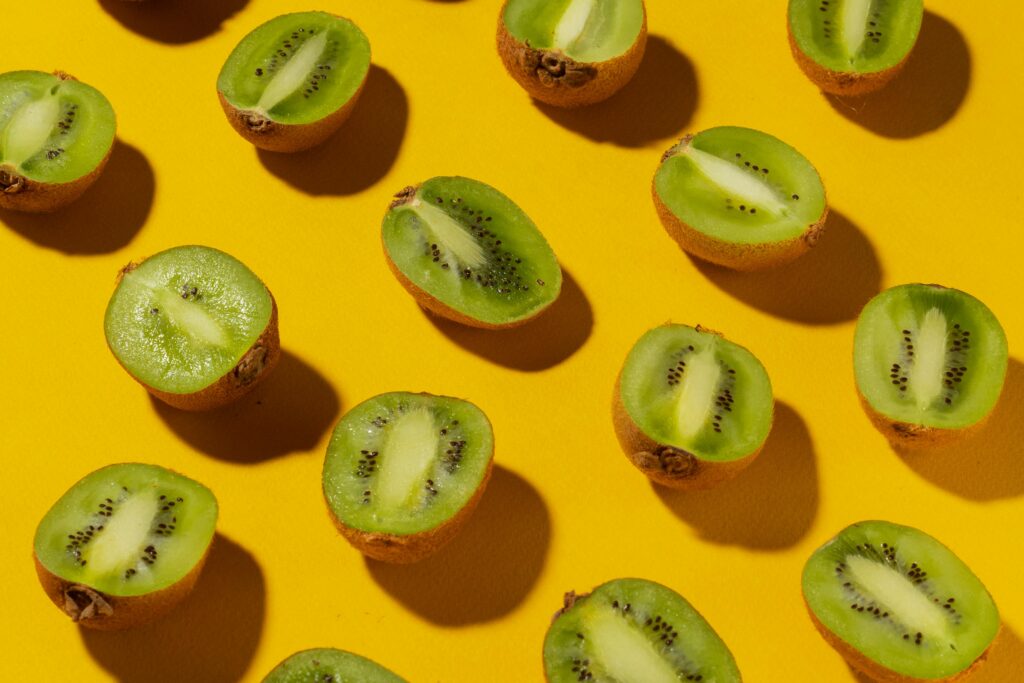
Vitamin C is biologically required for collagen synthesis, and without it, the body simply cannot complete the collagen-building process. A 2026 study found that eating two kiwifruit daily (delivering around 250mg of Vitamin C) significantly increased skin thickness and accelerated epidermal regeneration after just eight weeks. Researchers also noted that dietary Vitamin C penetrates all skin layers via circulation, which is something topical formulations often struggle to achieve through the skin barrier.
Best sources: Kiwifruit, red and yellow bell peppers, strawberries, citrus fruits, broccoli.
Target intake: ~250mg daily — roughly two kiwifruit or one large bell pepper.
2. Fatty Fish: Omega-3s That Fight Inflammation and Protect Collagen
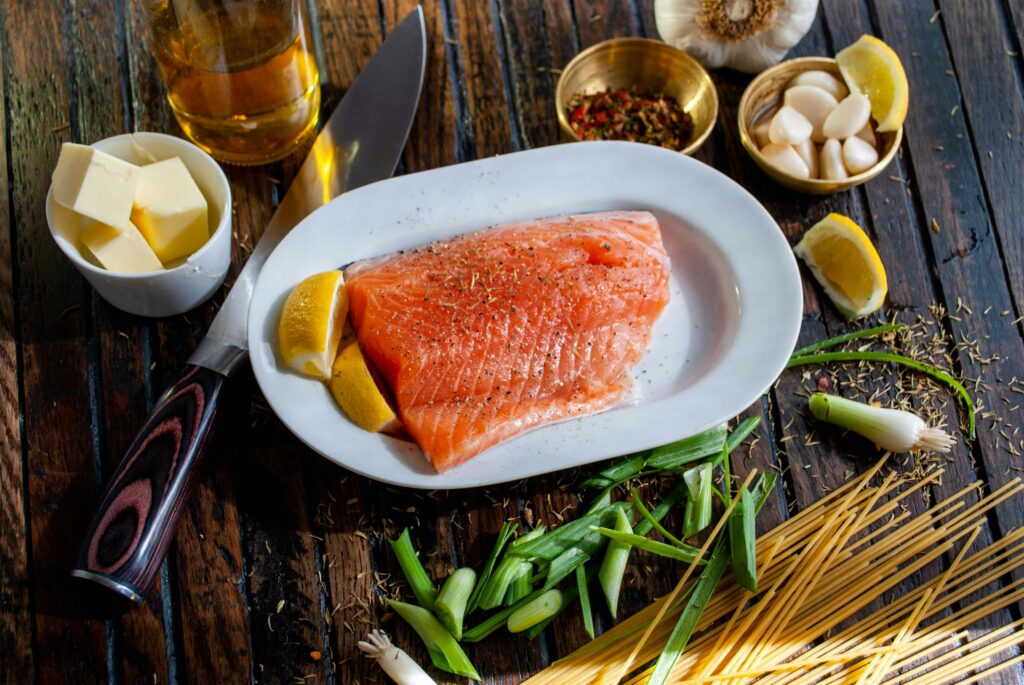
Salmon, mackerel, and sardines are among the richest sources of EPA and DHA — the omega-3 fatty acids most beneficial to skin. These fats strengthen cell membrane integrity, reduce the inflammatory pathways that degrade collagen, and protect skin against UV-induced damage. Adults who consume fatty fish regularly show significantly fewer signs of photoaging over time compared to those with lower omega-3 intake.
Best sources: Salmon, mackerel, sardines, anchovies. Plant-based alternatives: chia seeds, flaxseeds, walnuts.
Target intake: Two servings of fatty fish per week, or ~500mg EPA/DHA daily.
3. Green Tea: The Polyphenol That Slows Collagen Breakdown

Green tea’s primary active compound, EGCG (epigallocatechin-3-gallate), is one of the most studied anti-aging nutrients available. It protects collagen from UV-induced degradation, inhibits the enzymes that break collagen down, and supports fibroblast function. Research also shows green tea polyphenols preserve telomere length and reduce the inflammatory aging markers that accelerate structural skin decline.
Best sources: Brewed green tea; matcha has the highest EGCG concentration.
Target intake: 2–3 cups daily.
4. Bone Broth: Direct Collagen Building Blocks
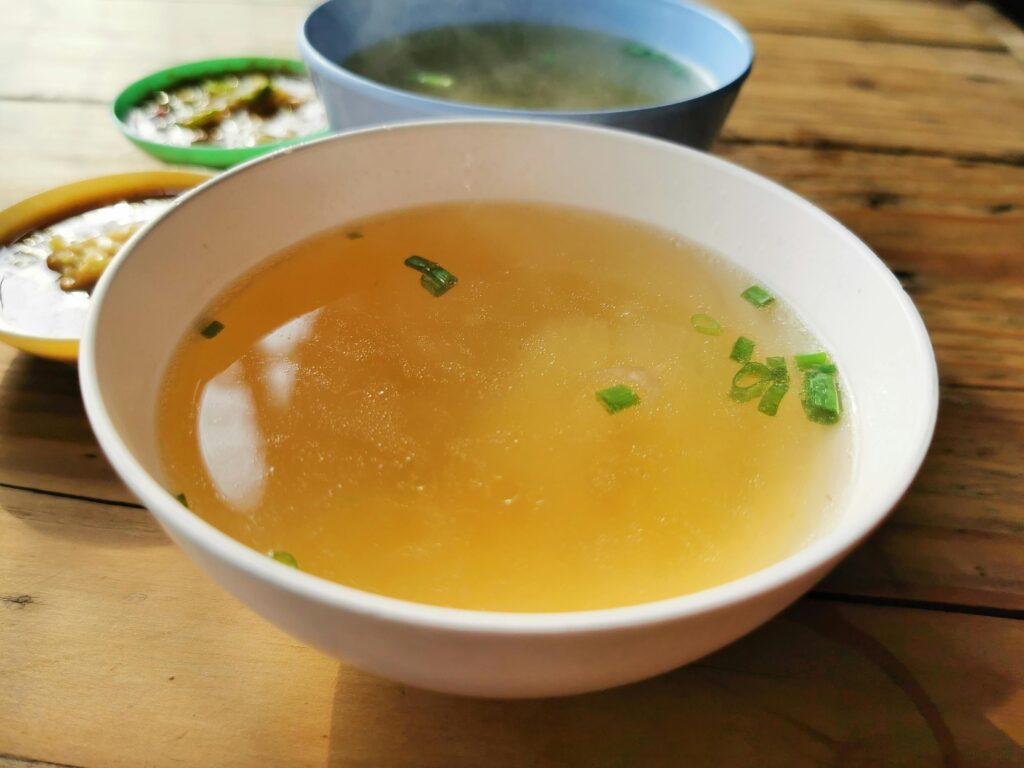
Bone broth delivers hydrolyzed collagen peptides — pre-broken-down collagen fragments that absorb readily through the gut wall and accumulate in the dermis, where they stimulate fibroblasts to produce new collagen. Hydrolyzed collagen supplementation significantly improves skin hydration and elasticity compared to placebo, with consistent benefits appearing after 8 weeks of use.
Best sources: Homemade or quality store-bought bone broth, hydrolyzed collagen peptide supplements.
Target intake: One cup of bone broth daily, or 2.5–5g hydrolyzed collagen peptides.
5. Berries: Antioxidant Protection Against Free Radical Damage
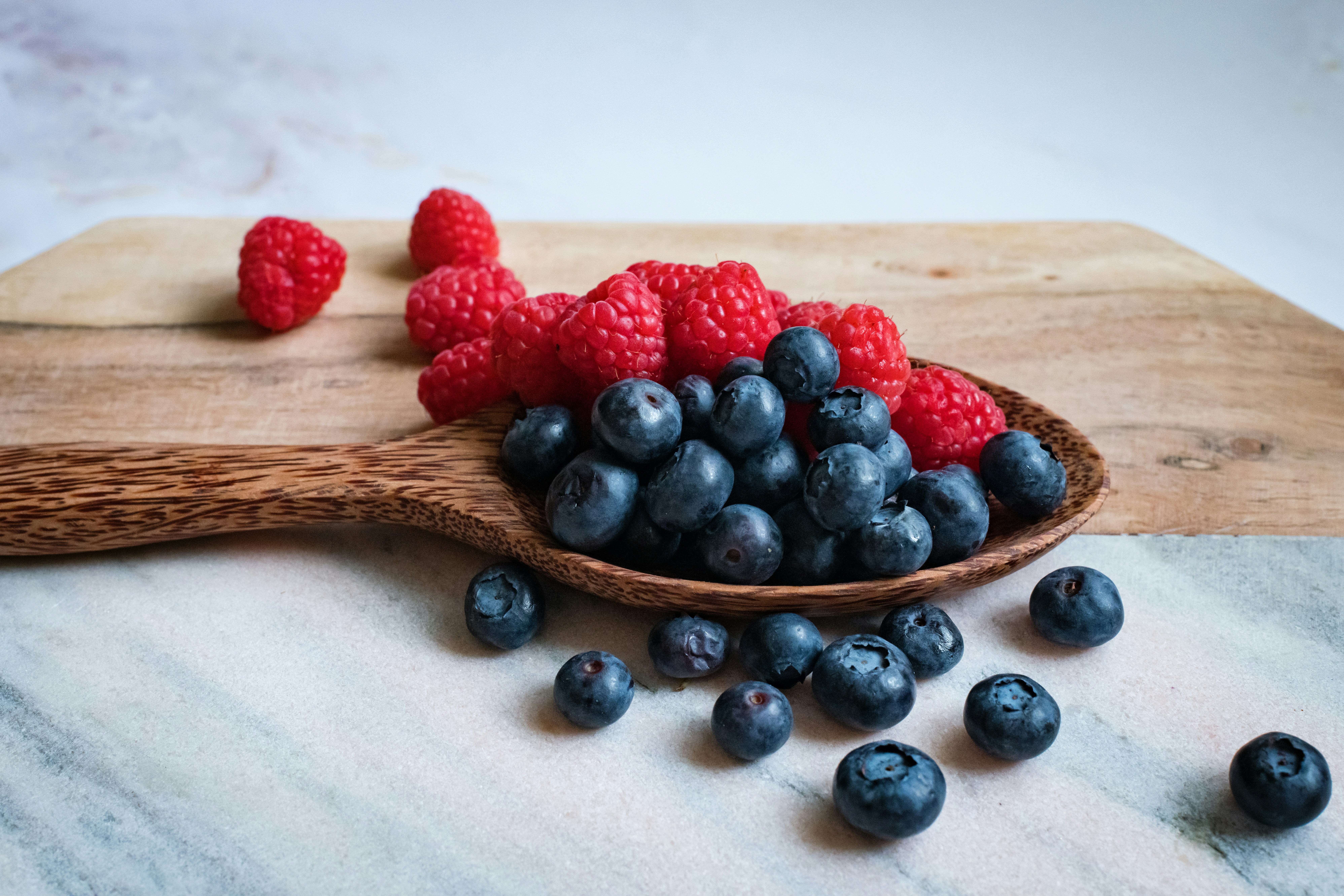
Blueberries, strawberries, raspberries, and blackberries are among the richest dietary sources of polyphenols and anthocyanins — antioxidants that neutralize the free radicals responsible for collagen breakdown. They also contain ellagic acid, shown to inhibit collagen-degrading enzymes triggered by UV exposure. Eaten regularly, berries raise the body’s overall antioxidant capacity, reducing oxidative stress throughout the skin’s cellular environment.
Best sources: Blueberries, strawberries, raspberries, blackberries, açaí.
Target intake: One cup of mixed berries daily. Fresh or frozen are equally effective.
6. Leafy Greens: Vitamins A, C, and K for Skin Structure
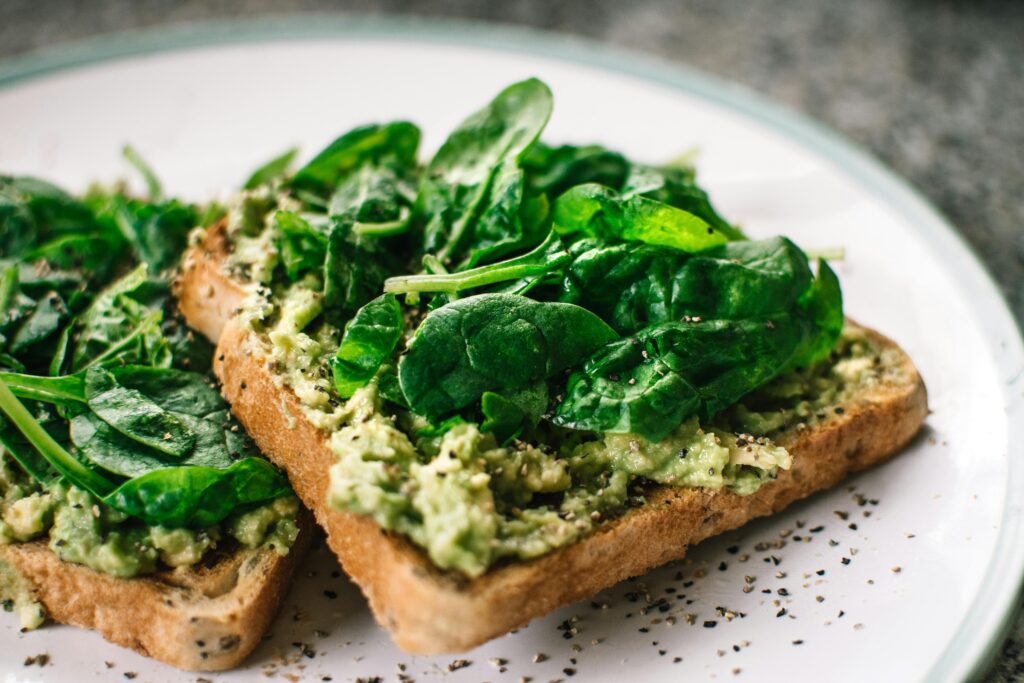
Spinach, kale, and Swiss chard pack a dense concentration of skin-relevant nutrients: Vitamin C for collagen synthesis, Vitamin A to regulate cell turnover, Vitamin K for microcirculation, and lutein — a carotenoid antioxidant linked to improved skin elasticity and hydration. Vitamin A in particular is essential for healthy skin cell turnover, and deficiency is associated with dull, thickened, and more rapidly aging skin.
Best sources: Spinach, kale, Swiss chard, romaine, arugula.
Target intake: Two or more servings of dark leafy greens daily.
7. Avocado: Healthy Fats and Vitamin E for Skin Barrier Integrity
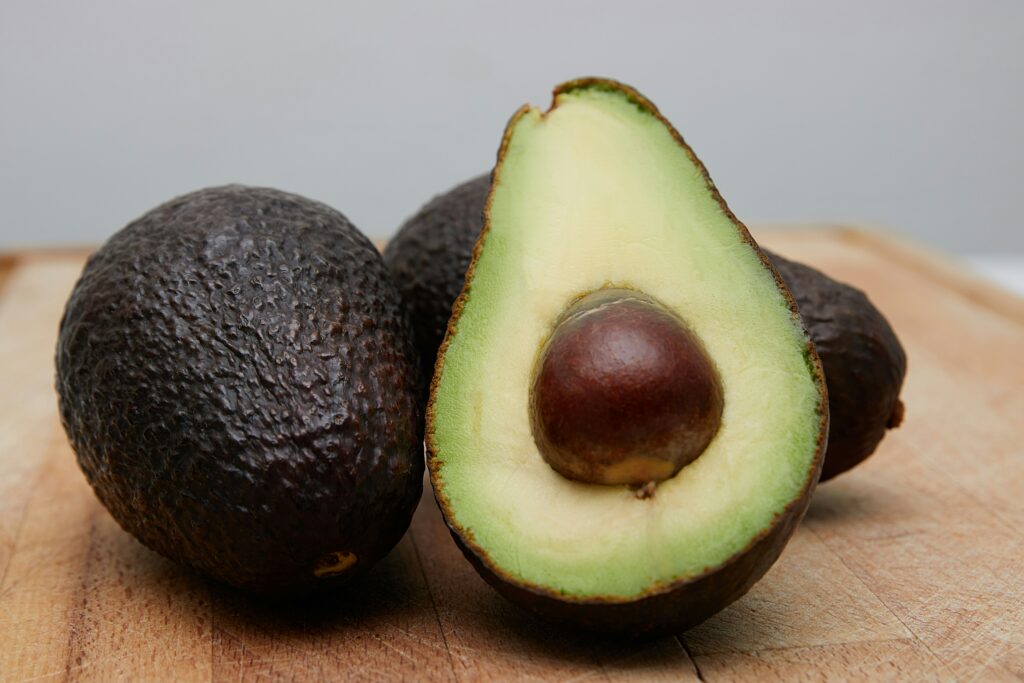
Avocados are rich in monounsaturated fats and Vitamin E, which are the two nutrients with complementary roles in skin health. Monounsaturated fats maintain the skin’s lipid barrier, reducing moisture loss and keeping skin plump. Vitamin E is a fat-soluble antioxidant that protects cell membranes from oxidative damage, and it works synergistically with Vitamin C — the two antioxidants regenerate each other when depleted by free radical activity.
Best sources: Avocado, avocado oil, almonds, sunflower seeds.
Target intake: Half to one avocado daily.
8. Soy: Isoflavones That Block Collagen-Degrading Enzymes
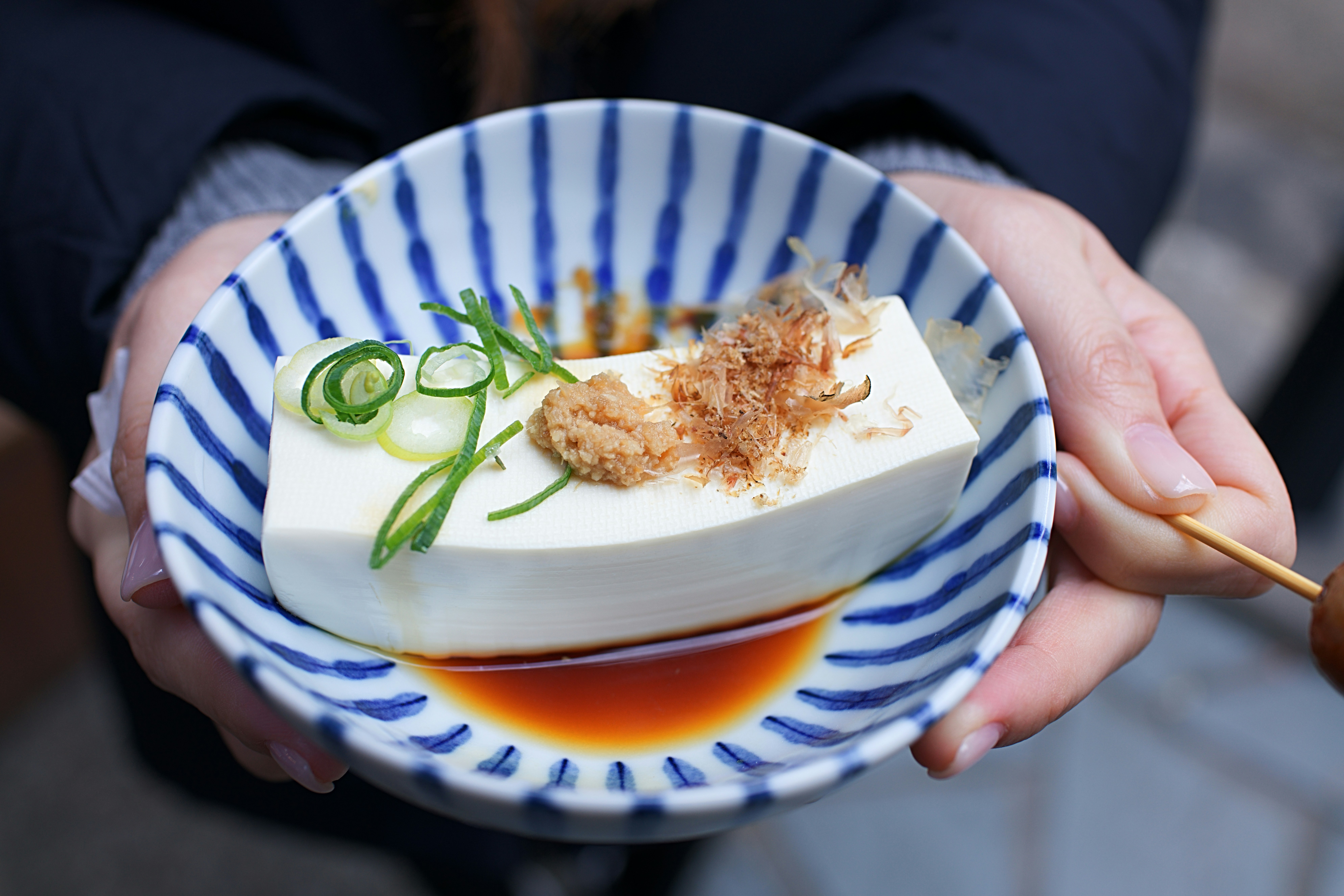
Soy isoflavones — plant-based compounds structurally similar to estrogen — inhibit the MMP enzymes that break down collagen while stimulating new collagen synthesis in fibroblasts. A 2023 study found that postmenopausal women who consumed soy protein with isoflavones for six months showed a 7.1% reduction in average wrinkle severity and a 68% increase in skin hydration compared to baseline.
Best sources: Edamame, tofu, tempeh, miso, unsweetened soy milk.
Target intake: One to two servings of whole soy foods daily.
9. Tomatoes: Lycopene for UV-Induced Collagen Protection
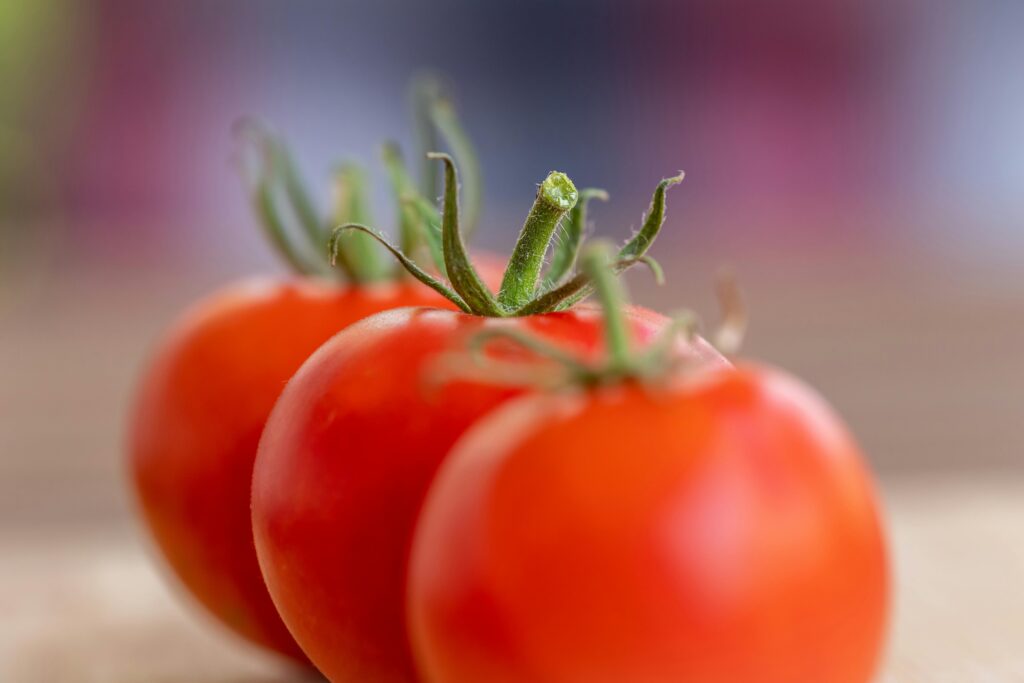
Tomatoes are the richest dietary source of lycopene — a carotenoid antioxidant that accumulates in the skin after regular intake and provides baseline protection against UV-induced collagen degradation. Research shows lycopene reduces UV-triggered MMP activity, directly protecting the collagen fibers that UV radiation would otherwise break down. Cooking tomatoes significantly increases lycopene bioavailability. Cooked forms deliver far more than raw.
Best sources: Tomato paste, cooked tomatoes, tomato sauce, sundried tomatoes, watermelon.
Target intake: Several servings of cooked tomato weekly.
10. Nuts and Seeds: Zinc, Selenium, and Essential Fats
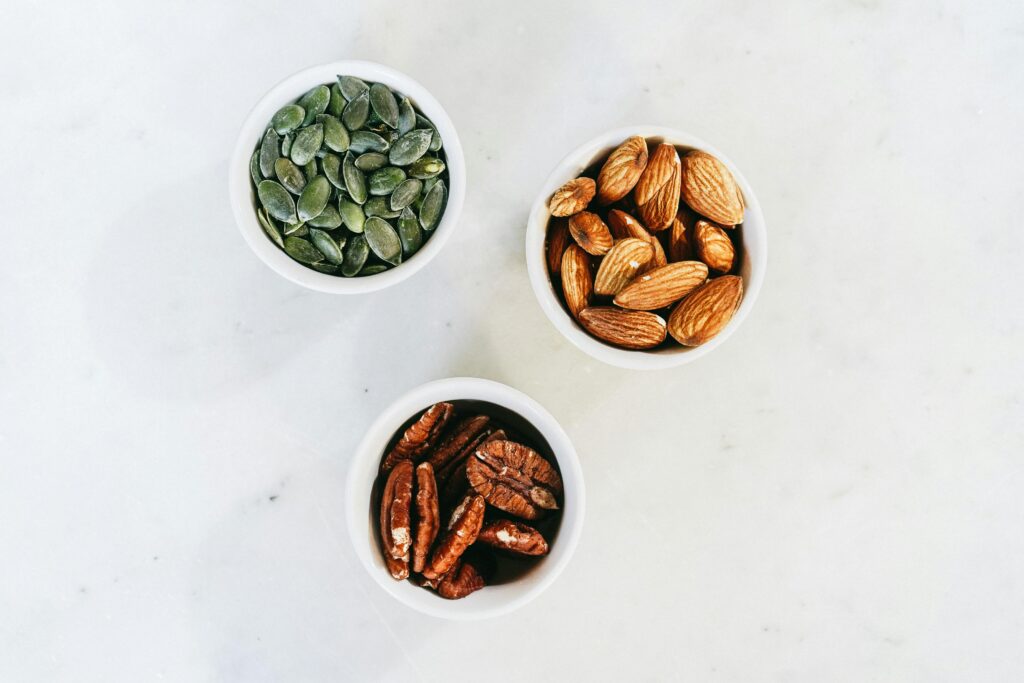
Nuts and seeds deliver micronutrients that are easy to undereat but critical for skin repair. Zinc (pumpkin seeds, cashews) is required for collagen synthesis — deficiency directly impairs skin repair. Selenium (Brazil nuts — just 1–2 meets daily needs) protects skin cells from oxidative damage. Walnuts combine ALA omega-3s, Vitamin E, and zinc in one convenient package.
Best sources: Pumpkin seeds (zinc), Brazil nuts (selenium), walnuts, sunflower seeds (Vitamin E).
Target intake: A small handful of mixed nuts and seeds daily.
A Simple Weekly Eating Pattern
| Meal | Skin-Supportive Choices |
|---|---|
| Breakfast | Berries + kiwifruit + green tea |
| Lunch | Leafy green salad + avocado + pumpkin seeds |
| Dinner | Fatty fish + cooked tomatoes + tofu or edamame |
| Snacks | Walnuts, Brazil nuts, citrus fruit |
| Daily | 2–3 cups green tea, bone broth or collagen supplement |
Conclusion
Skincare works from the outside in. Nutrition works from the inside out. The foods on this list are not exotic or expensive — they are accessible, well-researched, and versatile. Building a skin-supportive diet is one of the most compounding anti-aging investments you can make, and unlike most skincare products, it benefits every other system in your body at the same time.
References
- “The Role of Functional Foods in Cutaneous Anti-aging.” https://pmc.ncbi.nlm.nih.gov/articles/PMC4390761/
- “Dietary Interventions in Skin Ageing: A Systematic Review and Meta-Analysis.” https://pmc.ncbi.nlm.nih.gov/articles/PMC12577306/
- “Dietary Vitamin C Increases Skin Collagen and Thickness.” https://nutraceuticalbusinessreview.com/dietary-vitamin-c-increase-skin-collagen-thickness
- “Green Tea Mitigates the Hallmarks of Aging.” https://pmc.ncbi.nlm.nih.gov/articles/PMC12834415/
- “Effects of Oral Collagen for Skin Anti-Aging: A Systematic Review and Meta-Analysis.” https://pmc.ncbi.nlm.nih.gov/articles/PMC10180699/
- “New Insights into the Anti-Aging Mechanism of Collagen Peptides on Skin.” https://pmc.ncbi.nlm.nih.gov/articles/PMC12985689/
- “Soy Protein Containing Isoflavones Improves Facial Signs of Photoaging.”.https://pubmed.ncbi.nlm.nih.gov/37836398/