
25+ Anti-Aging Prevention Strategies Proven to Stop Wrinkles Before They Start
The most powerful anti-aging window is the one most people miss entirely — the years before wrinkles appear. Collagen loss begins in the mid-twenties. By the time fine lines are visible, years of cumulative structural change have already taken place beneath the surface. Prevention works because skin aging follows predictable biological pathways, and consistent, evidence-based habits can measurably alter those pathways.
What You’ll Learn:
- The highest-impact habits for stopping collagen loss before it accelerates
- Which skincare ingredients to start in your 20s and 30s
- How sleep, stress, exercise, and diet intervene at the cellular level
- Which at-home technologies have clinical evidence for prevention
Why Prevention Outperforms Repair
Reversing collagen loss is significantly harder than protecting it. After the mid-30s, fibroblast activity declines and the skin’s repair response slows. A 2025 study introduced the concept of “skinspan” — maximizing the years skin functions in optimal health, and concluded that proactive early intervention consistently outperforms reactive repair initiated after visible aging has set in.
Small, consistent deposits made early compound dramatically over time. The strategies below are those deposits.
Sun Protection: The Foundation
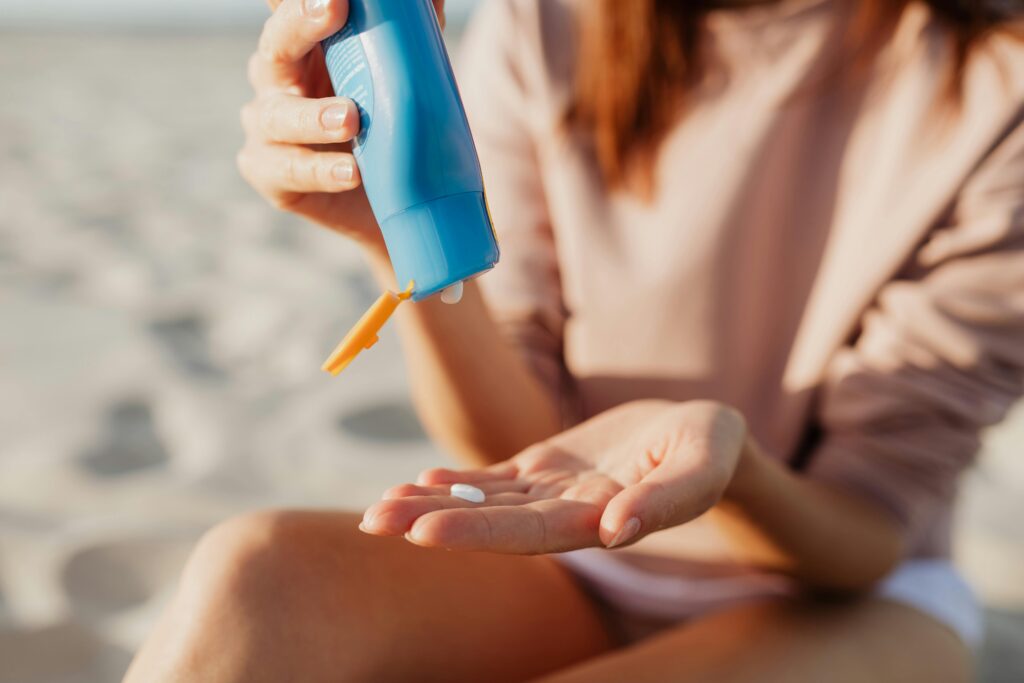
UV radiation drives up to 90% of visible skin aging, which is more than any other factor you can control.
1. Wear broad-spectrum SPF 30+. A randomized controlled trial of 903 adults found that daily sunscreen users showed 24% less skin aging over 4.5 years than intermittent users, regardless of age.
2. Reapply every two hours when outdoors. SPF degrades with sun exposure and sweat. One morning application is not all-day protection.
3. Wear protective clothing and sunglasses. Sunglasses also reduce squinting — a direct contributor to crow’s feet over time.
4. Never use tanning beds. The International Agency for Research on Cancer classifies them as Group 1 carcinogens. Their use significantly accelerates photoaging.
Skincare: Build Your Daily Defense
5. Apply a Vitamin C serum every morning. Vitamin C is required for collagen synthesis and protects existing collagen from UV-induced breakdown. A combined retinol and Vitamin C regimen produces significant improvements in wrinkle depth within 8–12 weeks.
6. Start retinoids in your mid-20s. The most evidence-backed topical anti-aging category in dermatology. Retinoids directly upregulate collagen gene expression, telling fibroblasts to produce more collagen. Start with low-concentration retinol two to three nights per week.
7. Use a peptide moisturizer. Peptides signal fibroblasts to increase collagen production. Palmitoyl pentapeptide-4 (Matrixyl) is among the most clinically studied for measurable wrinkle reduction.
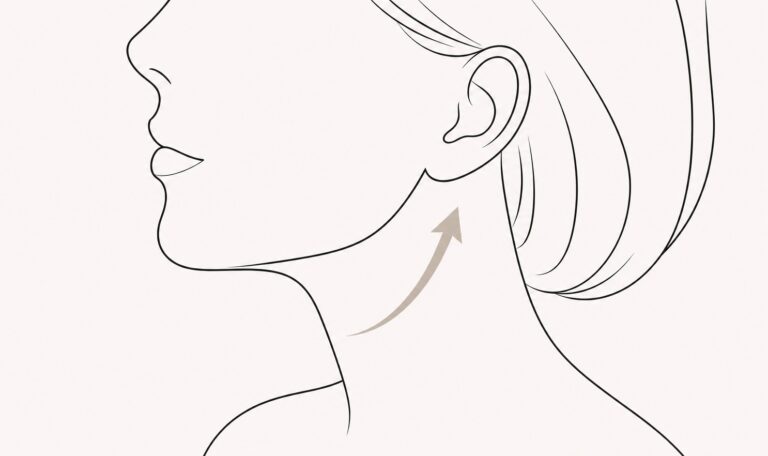
8. Extend your routine to your neck and chest. Thinner skin, fewer oil glands, and high UV exposure make the neck and décolletage age faster, yet most routines stop at the jawline.
9. Cleanse gently. Harsh cleansers strip the skin’s lipid barrier, triggering inflammation and moisture loss. Use a mild, pH-balanced formula once daily.
10. Exfoliate chemically, not physically. AHAs and BHAs dissolve dead skin cells without the micro-tears physical scrubs cause. Two to three times per week improves cell turnover and product absorption.
Nutrition: Feed Your Skin From Within

11. Eat Vitamin C-rich foods daily. Dietary Vitamin C penetrates all skin layers via circulation, supporting collagen production from inside out by reaching areas topical products often can’t access.
12. Prioritize protein at every meal. Collagen is a protein. Without adequate amino acids from eggs, fish, and legumes, the body cannot produce it regardless of topicals used.
13. Eat antioxidant-rich foods consistently. Berries, leafy greens, green tea, and tomatoes raise systemic antioxidant capacity, neutralizing free radicals that break collagen down.
14. Include omega-3 fatty acids. Fatty fish, chia seeds, and walnuts reduce skin inflammation and protect collagen from UV-induced degradation.
15. Reduce refined sugar. Glycation, sugar binding to collagen fibers, makes them stiff and brittle. Cutting added sugar is one of the highest-leverage nutritional anti-aging changes available.
16. Consider hydrolyzed collagen supplements. A 2023 study confirmed significant improvements in skin hydration and elasticity after 8 weeks of consistent use at 2.5–5g daily.
Lifestyle: The Invisible Skincare Routine
17. Sleep 7–9 hours consistently. Deep sleep triggers human growth hormone release, driving collagen synthesis and repair. Poor sleepers show measurably more fine lines and 30% slower UV damage recovery than good sleepers of the same age.
18. Keep a consistent sleep schedule. Total hours are not enough. The body’s circadian rhythm regulates the timing of repair processes. Irregular schedules disrupt this even when total sleep is adequate.
19. Manage chronic stress actively. Elevated cortisol activates collagen-degrading enzymes and suppresses fibroblast activity simultaneously. Mindfulness, exercise, and breathwork measurably lower chronic cortisol over time.
20. Exercise regularly, including resistance training. Resistance training produces structural skin changes consistent with younger skin through reduced circulating inflammatory factors.
21. Quit smoking. Smoking generates oxidative stress, reduces blood flow to skin, and directly inhibits collagen synthesis. The damage accumulates from the first months of use.
22. Limit alcohol. Alcohol dehydrates skin, disrupts sleep quality, and depletes antioxidant reserves — all of which compound collagen loss.
23. Sleep on a silk or satin pillowcase. Cotton creates nightly friction on the same facial areas, contributing to permanent sleep lines. Silk also absorbs less overnight product, keeping actives on your skin.
At-Home Technology: Prevention at the Cellular Level
24. Red light therapy (660nm). Penetrates the dermis and stimulates fibroblast activity, increasing collagen synthesis. Used consistently in your 30s, it functions as a proactive collagen maintenance tool with growing peer-reviewed support.
25. Microcurrent. Stimulates facial muscles and increases cellular ATP production — the energy cells use for repair and collagen synthesis. Regular use helps maintain facial structure and fibroblast activity.
26. Radiofrequency (RF). Delivers controlled heat into the dermis, triggering a wound-healing response that prompts new collagen synthesis. Starting RF while collagen density is still relatively high helps maintain dermal structure ahead of significant decline.
Prevention by Decade
| 20s | 30s | 40s+ | |
|---|---|---|---|
| Non-negotiables | Daily SPF, Vitamin C serum, gentle cleanser | All previous + consistent retinoid, peptide moisturizer | All previous + stronger retinoid, collagen supplements |
| Add when ready | Low-dose retinol (mid-20s) | At-home devices (red light, microcurrent) | RF device, professional treatments |
Conclusion
Prevention is a system — and each layer compounds the next. Sun protection limits new collagen damage. Antioxidants neutralize the oxidative load. Sleep and stress management prevent cortisol from undoing what your skincare builds. Nutrition supplies the raw materials from within.
The best moment to start was in your 20s. The second best is now.
References
- “Skinspan: A Holistic Roadmap for Extending Skin Longevity.” https://pmc.ncbi.nlm.nih.gov/articles/PMC12413659/
- “Sunscreen and Prevention of Skin Aging: A Randomized Trial.” https://pubmed.ncbi.nlm.nih.gov/23732711/
- “Sunscreens and Photoaging: A Review of Current Literature.” https://pmc.ncbi.nlm.nih.gov/articles/PMC8361399/
- “An Open Label Clinical Trial to Evaluate the Efficacy and Tolerance of a Retinol and Vitamin C Facial Regimen.” https://pubmed.ncbi.nlm.nih.gov/27050703/
- “Retinoids: Active Molecules Influencing Skin Structure Formation.” https://www.ncbi.nlm.nih.gov/pmc/articles/PMC6791161/
- “Dietary Interventions in Skin Ageing: A Systematic Review and Meta-Analysis.” https://pmc.ncbi.nlm.nih.gov/articles/PMC12577306/
- “Effects of Oral Collagen for Skin Anti-Aging: A Systematic Review and Meta-Analysis.” https://pmc.ncbi.nlm.nih.gov/articles/PMC10180699/
- “Does Poor Sleep Quality Affect Skin Ageing?” https://pubmed.ncbi.nlm.nih.gov/25266053/
- “Resistance Training Rejuvenates Aging Skin by Reducing Circulating Inflammatory Factors.” https://pmc.ncbi.nlm.nih.gov/articles/PMC10290068/
- “Anti-Aging Skin Care.” https://www.aad.org/public/everyday-care/skin-care-secrets/anti-aging