Dehydration Lines vs. Wrinkles: What Skincare Can Actually Change
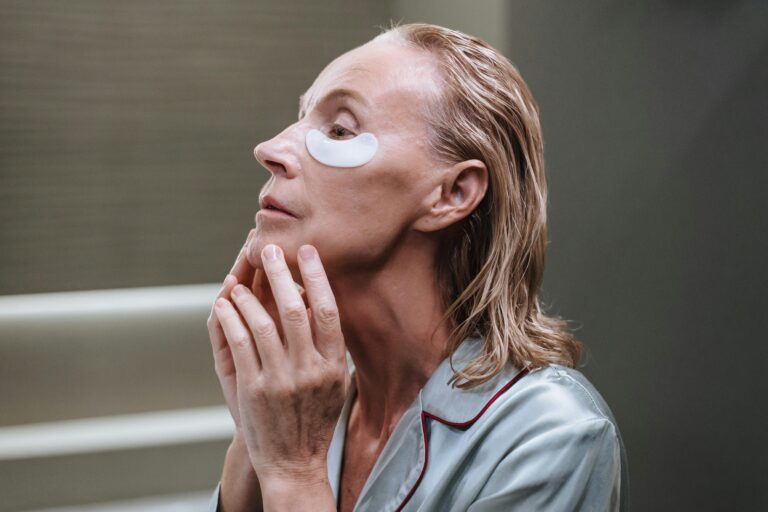
Fine lines often look deeper when skin is dry and softer after moisturizing. Both changes are real, and both happen to established wrinkles. You don’t need to choose between “dehydration” and “aging” to explain what you’re seeing. Dryness affects the appearance of the skin’s surface, while facial movement, sun exposure, and age-related changes also contribute to lines.
A moisturizer addresses the dryness-related part. It helps skin retain water, smooths roughness, and makes fine lines less noticeable. But of course, some wrinkles remain even when your skin is well hydrated. Below, we’ll explain why dryness makes lines more noticeable, how much improvement to expect from moisturizer, and when to consider other treatments.
What You’ll Learn
- What people mean by “dehydration lines”
- Why moisturizer improves the appearance of wrinkles
- How to choose skincare for tight, rough, or irritated skin
- When persistent lines need more than hydration
What Are Dehydration Lines?
“Dehydration lines” is a skincare term for fine lines that dryness in the outer skin layer emphasizes. They’re often described as shallow creases or a finely crinkled texture. The phrase captures something we sometimes notice: skin looks smoother after moisturizing, and lines become more obvious again when it’s dry. Moisturizers improve the appearance of fine lines and wrinkles while relieving dryness.
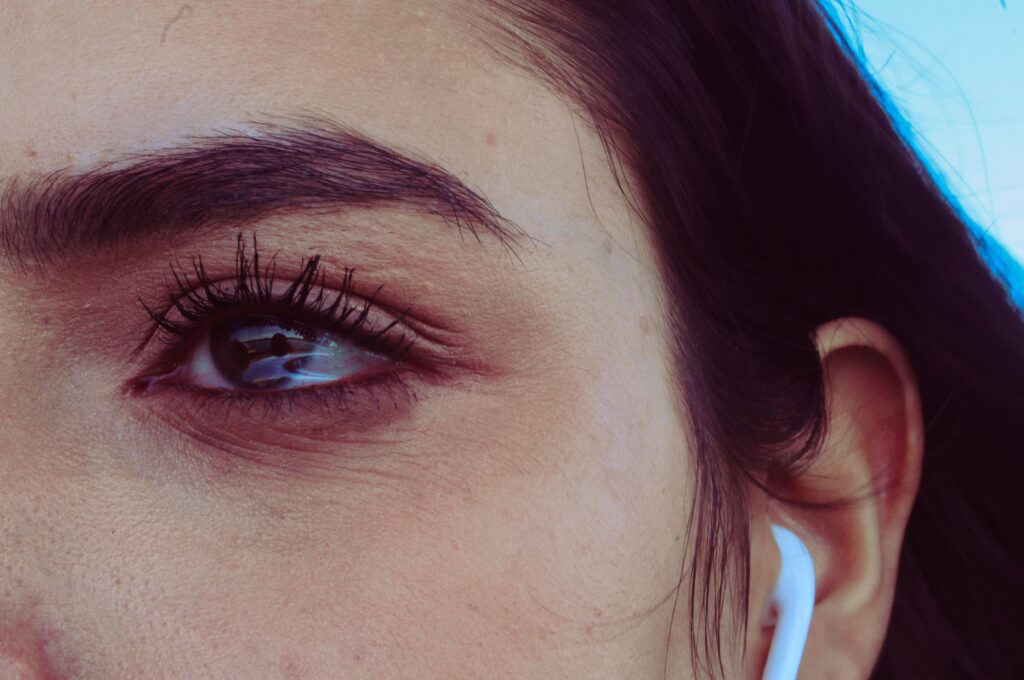
The problem starts when this becomes a strict either-or explanation: temporary dehydration lines versus permanent wrinkles. Moisturizer can soften an established wrinkle, and persistent wrinkles respond to treatments beyond hydration. A line might reflect years of facial movement and sun exposure, yet look considerably worse during a dry spell.
When deciding on skincare, the more relevant question is how much dryness contributes to the appearance you want to change. Once your skin feels comfortable and its surface is smoother, you’ll see more clearly which lines remain.
Why Do Wrinkles Look Better After Moisturizing?
The outermost skin layer, called the stratum corneum, needs water to stay flexible. Moisturizers increase hydration, soften rough areas, and slow evaporation. Together, those effects improve the skin’s surface and make small lines less noticeable. The plumping effect can appear within a few days, much sooner than the changes expected from most wrinkle-treatment ingredients.
That quick result comes from hydration and surface smoothing, not newly formed collagen. A cream containing a retinoid might offer both immediate moisturizing benefits and longer-term improvements, but the smoother appearance after application tells you little about its longer-term performance. Retinoid-related changes are evaluated over months.
Regular moisturizing also helps maintain the improvement. When dryness returns, the lines it emphasized often become noticeable again.
Look at What Changed Alongside the Lines
The timing of a change, along with how your skin feels, often tells you more than you think.
Your Skin Became More Lined After a Routine Change
A stronger retinoid, frequent exfoliation, or a new cleanser might leave skin dry and irritated. If lines become more noticeable alongside burning, redness, or flaking, address those symptoms before increasing treatment. Irritation can make signs of aging more obvious, and using several anti-aging products at once increases the risk of an uncomfortable reaction.
Adding another active to compensate for irritation from the first one offers little benefit. Review what changed, simplify the routine, and give your skin time to settle. If the reaction involves a prescription product, ask your prescriber how to adjust treatment.
Moisturizer Helps, but the Lines Stay
This is an expected result. Moisturizer improves hydration and disguises fine lines without removing every crease. If your face feels comfortable, rough patches have settled, and some wrinkles remain visible, the product might already be doing everything you bought it to do. Continuing to layer hydrating serums won’t necessarily deliver the additional change you want.
Your Skin Is Oily and Tight
Surface oil isn’t proof that your skin already has enough moisture. Oily skin still benefits from moisturizing, especially when harsh cleansing or irritating products leave it uncomfortable. A lightweight, noncomedogenic formula often works better than skipping moisturizer.
The familiar “dry skin lacks oil, dehydrated skin lacks water” explanation leaves out too much. Dryness involves reduced water content and the skin’s ability to retain it, with lipids helping support that function. Your product choice should respond to the whole picture: oiliness, comfort, roughness, and sensitivity.
Choose a Moisturizer Before Adding Another Serum
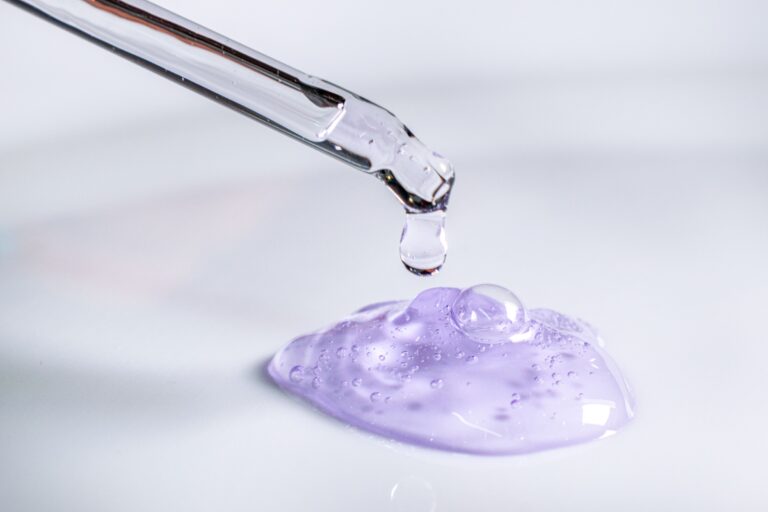
If a hydrating serum leaves your face tight again soon after, look at the rest of your routine before buying another. Your skin might need a formula that does more to reduce water loss. Most moisturizers combine several functions, so you don’t need a separate product for every ingredient type.
- Humectants, including glycerin, attract and retain water in the skin’s outer layer.
- Emollients soften rough areas and improve surface smoothness.
- Occlusives, such as dimethicone and petrolatum, form a protective layer that slows evaporation.
A well-formulated moisturizer combines these benefits. For oily or acne-prone skin, start with a lighter, noncomedogenic texture. Persistent dryness often responds better to a cream than a light lotion, while especially dry patches sometimes need a richer product. Heavy occlusive formulas aggravate breakouts in some people, so the thickest texture isn’t the best choice for every face.
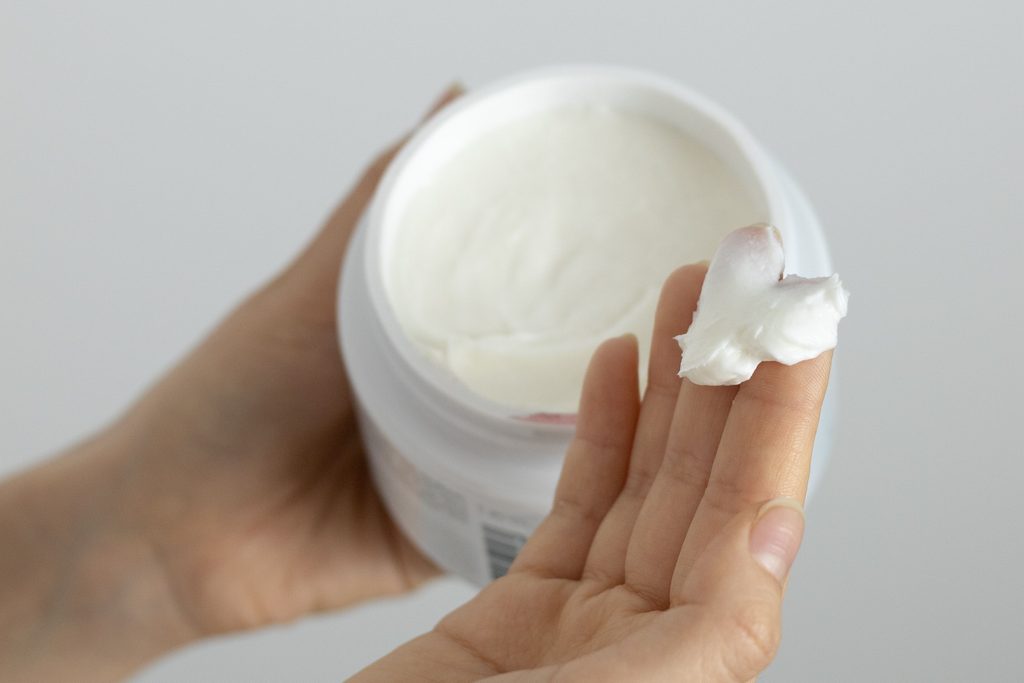
Apply moisturizer after washing while your skin is still slightly damp to help retain water. Then judge the routine by how your skin feels between applications, not just the brief softness immediately afterward. If tightness keeps returning, reconsider the cleanser, product texture, and use of irritating treatments instead of continuing to add layers.
Is Your Anti-Aging Routine Working Against You?
Retinoids improve fine lines, but they also cause dryness and irritation in some users, especially when introduced too quickly. An overambitious routine creates a frustrating cycle: your skin looks rougher, you worry more about aging, and you add more treatments. The extra irritation then makes it harder to assess the original concern.
If your skin burns, peels, or stays persistently tight, simplify. Keep gentle cleansing, a moisturizer you tolerate, and sun protection. Stop any newly added nonprescription products that sting or burn, and review how often you use retinoids and exfoliation. Avoid scrubbing away flakes or using acids to speed up peeling. Persistent irritation needs attention, not a stronger routine.
The same restraint applies when combining retinoids with anti-aging devices. Follow the treatment instructions and avoid increasing several treatments at once. If burning, itching, cracking, or a rash continues despite simplifying your skincare, have a clinician assess it.
Will Drinking More Water Reduce Wrinkles?
Drinking enough fluid supports normal health, but extra water hasn’t been shown to reduce wrinkles. “Dehydrated skin” in skincare language also isn’t a diagnosis of whole-body dehydration. The skin’s outer layer needs to retain moisture, so simply drinking water is not enough. Stay normally hydrated, but don’t expect extra glasses of water to replace moisturizer or erase established lines.
What If the Lines Remain?
Give consistent basic care a few weeks before deciding what else to add. Some plumping appears within days, but a routine that keeps skin comfortable lets you assess what’s left without ongoing dryness confusing the picture. Start with sunscreen and moisturizer, then choose a treatment for the remaining concern.
Persistent lines don’t mean moisturizing failed. Hydration and wrinkle treatment have different jobs. Research supports retinoids for improving photoaged skin, including fine lines, through changes that develop over longer periods. Choose ingredients, strength, and frequency based on your skin’s tolerance.
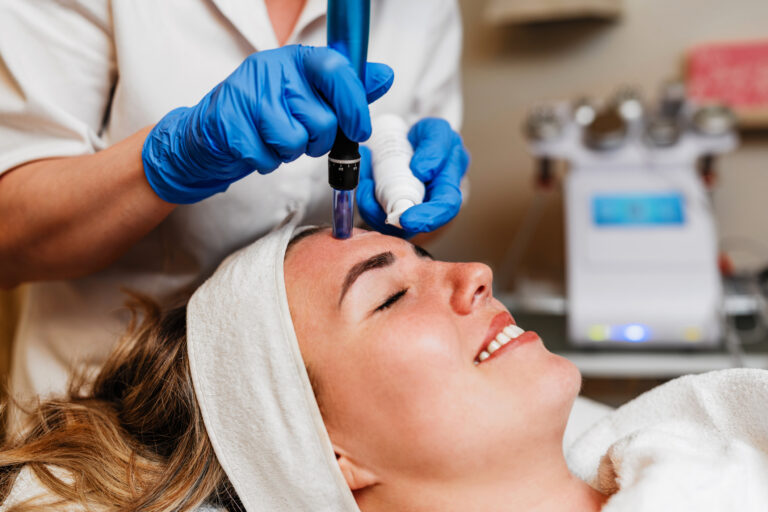
Professional treatments offer other options when you want more change than topical skincare delivers. For example, start a consultation about fractional laser treatment with the concern you want to address and the recovery you’re prepared for. Keep sun protection in place throughout, since improving dryness doesn’t prevent further UV-related skin aging.
Conclusion
Moisturize because your skin benefits from hydration, not because you want to soften every line. Fine lines often soften as dryness improves, while established wrinkles remain to varying degrees.
Once your skin feels comfortable and its surface is smoother, assess whether you want additional treatment. If you do, choose something aimed at the remaining concern. More hydration isn’t always the answer, and a visible line isn’t a sign your moisturizer has let you down.