
Genetics vs. Lifestyle: How Much of Aging Can You Actually Control?
Look in the mirror next to your mom, your dad, or your sibling. You will probably notice something familiar right away. Some of your skin’s story was written before you were even born. The rest is still being written every single day. Sunscreen use, sleep habits, stress levels, and diet all add new pages. So how much of skin aging can you actually change? And how much is simply inherited, no matter what you do? Science has a nuanced answer here. It also turns out to be more encouraging than most people assume.
What You’ll Learn:
- The difference between intrinsic (genetic) and extrinsic (lifestyle) skin aging
- Why studies estimate genetics account for anywhere from 10% to 60% of aging
- Which specific genes influence how fast your skin ages
- The lifestyle factors proven to accelerate or slow aging the most
- Whether skincare and devices can meaningfully offset genetic disadvantages
Intrinsic vs. Extrinsic Aging: Two Forces at Play
Dermatologists generally split skin aging into two broad categories. Intrinsic aging is the natural, genetically-timed process. It unfolds no matter what you do so think of it as your skin’s internal clock, ticking away at a pace partly set by your DNA. Extrinsic aging covers everything else layered on top: sun exposure, pollution, smoking, poor sleep, and diet choices. These two forces rarely work in isolation. They overlap constantly, and often make each other worse. Genetically thinner skin, for example, may show sun damage faster and more visibly than naturally thicker skin exposed to the same UV levels. Most dermatologists agree the two forces are always interacting, never fully separate.
What Twin Studies Reveal About Genetic Aging

Researchers love studying identical twins for one simple reason: shared DNA makes it far easier to isolate lifestyle effects from genetic ones. Some twin studies found that genetics explain up to 60% of wrinkle differences between individuals. Other research tells a very different story entirely. One widely cited study on sun exposure found that UV damage alone can account for up to 80% of visible facial aging, leaving a much smaller slice of the picture for genetics to explain. In some twin photo comparisons, the twin who spent more years driving on the sunny side of the car visibly aged faster on that one side of the face alone.
Why is there such a wide gap between these numbers? Different studies simply measure different things. Some focus purely on wrinkle depth, others track pigmentation changes or overall perceived age from photos. Population differences matter too, since some study groups had far more lifetime sun exposure or smoking history than others. Climate and altitude play a role as well, since UV intensity differs significantly by region. The honest takeaway is that genetics clearly matters, but researchers still haven’t agreed on exactly how much weight it carries compared to daily habits.
The Genes Behind Your Skin’s Aging Clock
A handful of specific genetic factors do appear to shape how your skin ages. Some genes influence how efficiently your body produces collagen and elastin, the two proteins that keep skin firm and bouncy. Other genes affect your natural antioxidant defenses, which determines how well your skin resists everyday oxidative stress from sun and pollution. Pigmentation-related genes also play a role, influencing how easily your skin burns, tans, or develops sun spots over the years. Genetic variants can even affect how quickly your skin barrier repairs itself after damage, which shapes how fast fine lines and dryness show up.
That said, scientists still haven’t identified one single “aging gene,” nor a clear panel that fully predicts how any person will age. This remains an active, evolving area of dermatology research. What researchers do agree on is simpler: these inherited traits set a starting point for your skin, not a fixed, unchangeable destiny.
What You Can Actually Control
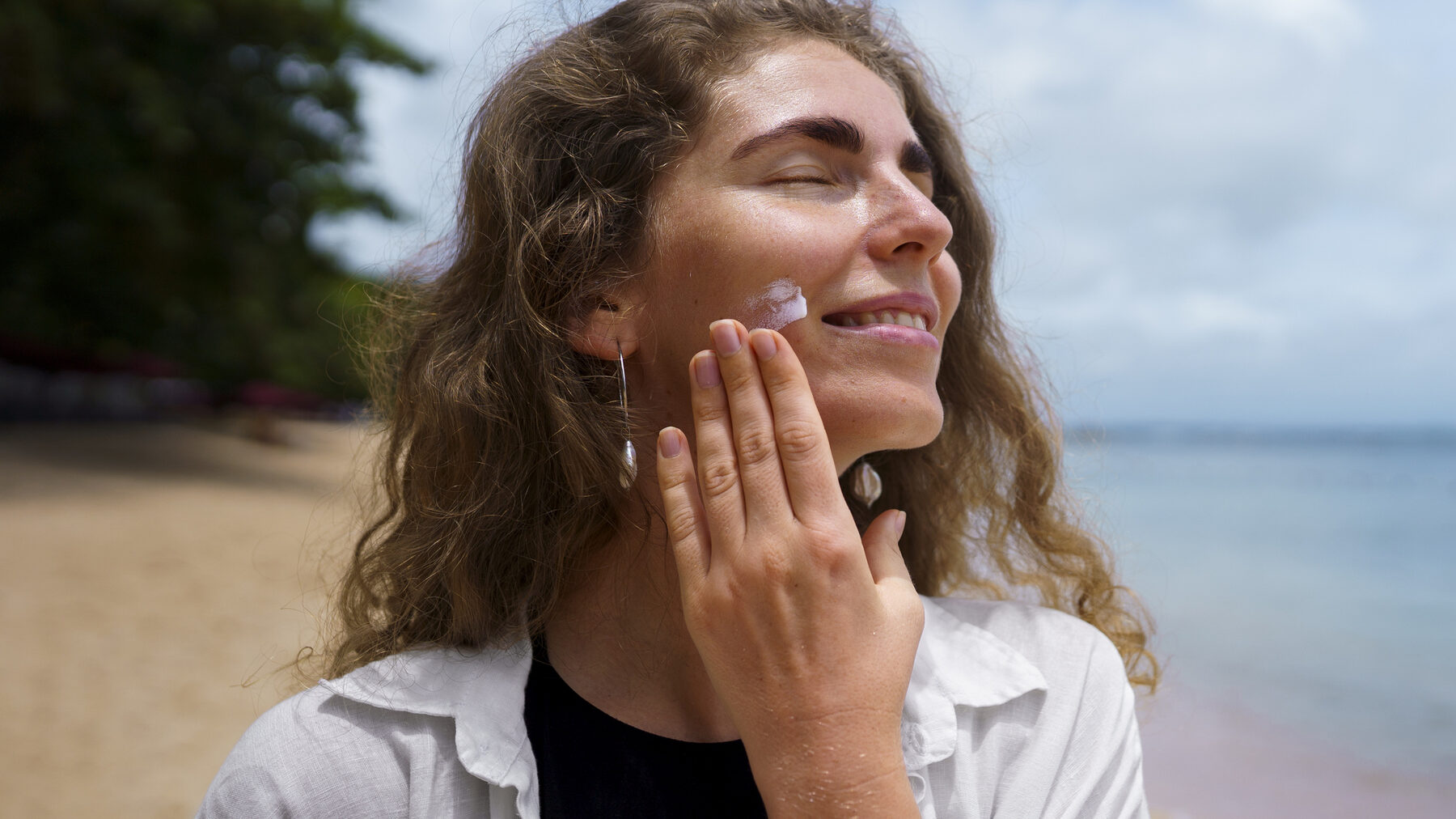
This is where the encouraging part comes in. UV exposure is the single biggest modifiable driver of visible skin aging, responsible for most of the wrinkles, sagging, and dark spots people eventually develop. Daily sunscreen use is arguably the most effective anti-aging habit available to anyone, regardless of genetic starting point.
Smoking is another major accelerant — it breaks down collagen and starves skin tissue of oxygen, no matter your genetic background. Alcohol and dehydration play a smaller but real role too, leaving skin looking dull and less resilient over time. Diet plays a supporting role as well; foods rich in antioxidants and healthy fats help support ongoing collagen production. Sleep quality and chronic stress leave a visible mark on skin over time too, since elevated cortisol can quietly degrade collagen when left unmanaged for years. Even moderate daily exercise appears to support skin thickness and circulation, giving another modifiable lever to work with.
Can Skincare and Devices Override Genetics?
Not entirely, but they can meaningfully offset extrinsic damage layered on top of your genetic baseline. Retinoids help stimulate collagen turnover and speed up healthy cell renewal at the surface. At-home devices like RF (radiofrequency) tools and microcurrent devices work differently — they trigger your skin’s own natural repair response, encouraging fresh collagen beneath the surface. None of these tools rewrite your underlying DNA, but consistent use can help your skin perform closer to its full genetic potential instead of falling short of it. Think of these tools as narrowing the gap between your genetic ceiling and where daily damage would otherwise leave you.
What This Means for Your Skincare Routine
Knowing where genetics ends and lifestyle begins isn’t just academic. It changes how you should think about your own routine. If your family tends to age quickly, that’s not a life sentence; it just means extrinsic factors deserve extra attention in your case. Sunscreen, antioxidants, and consistent skincare matter even more when genetics has stacked the odds against you. On the flip side, good genetics can create a false sense of security. Skin that looks fine at 30 can still be quietly accumulating UV damage that shows up later, often all at once in your late 30s or 40s.
So How Much Control Do You Actually Have?
Here’s the simplest way to think about all of this research. Genetics sets a rough ceiling and a rough floor for how your skin can age. Lifestyle choices largely determine where you land within that personal range. Two people with similar genetics can look noticeably different by their 40s. The difference often comes down to sun habits, smoking history, and skincare consistency. You cannot choose your genetic starting point, but you have far more influence over the final outcome than most people assume. That influence compounds over decades, not days, which is exactly why small daily habits matter more than any single product or treatment ever could. A teenager who starts wearing sunscreen daily is quietly setting up a very different outcome for their 50s than one who skips it.
Conclusion
Genetics loads the dice, but your daily habits are still the ones rolling them. Researchers may not agree yet on an exact percentage split, but they do agree on the bigger picture: sun protection, healthy daily habits, and a consistent skincare routine all make a measurable difference, no matter what your DNA handed you at birth. The best time to start building those habits was years ago. The second best time is today.
FAQ
Is skin aging genetic or caused by lifestyle?
Both. Genetics sets a baseline pace, but lifestyle factors — especially sun exposure — determine most of the visible variation between people.
What percentage of skin aging is genetic?
Estimates range from about 10% to 60%, depending on the study and what’s being measured. There’s no single agreed-upon number.
Can lifestyle changes reverse genetic aging?
Not the genetic component itself, but consistent sun protection, skincare, and healthy habits can reverse or slow the extrinsic damage layered on top.
Can skincare or devices override bad genetics?
Not entirely, but they can help your skin perform closer to its genetic potential by addressing extrinsic damage.
References
- “Influences on Skin and Intrinsic Aging: Biological, Environmental, and Therapeutic Insights”, Journal of Cosmetic Dermatology, 2024
- “How Much of Your Skin is Genetic & How Much Can You Change?”, Self London, 2026
- “Intrinsic and Extrinsic Factors in Skin Ageing: A Review”, International Journal of Cosmetic Science, 2008
- “The Role of Genetics in Skin Health”, Salt Lake Dermatology, 2024
- “Genetic Polymorphisms and Skin Aging: The Identification of Population Genotypic Groups Holds Potential for Personalized Treatments”, Clinical, Cosmetic and Investigational Dermatology, 2014