PDRN Skin Boosters: Inside the Treatment Taking Over Cosmetic Clinics
Walk into enough cosmetic clinics in 2026 and you will hear the same phrase again and again: skin boosters. PDRN has become one of the most talked-about versions because it promises something many patients want now — better skin quality, not just tighter muscles or added volume.
Unlike filler, which physically replaces lost volume, or Botox, which relaxes wrinkle-forming muscles, PDRN is positioned as a regenerative treatment meant to support repair, hydration, and collagen signaling inside the skin. That makes it interesting but also easy to misunderstand.
What You’ll Learn:
- What PDRN actually is
- Why people call it a “salmon DNA” treatment
- What it can realistically improve
- How it compares with fillers, Botox, and hyaluronic acid skin boosters
- Whether it looks worth trying based on current evidence
First, What Is PDRN?
PDRN stands for polydeoxyribonucleotide, a purified mixture of DNA fragments typically derived from salmon trout or chum salmon sperm DNA. It was studied in wound healing and tissue repair before it became a buzzy aesthetics treatment, which is one reason clinics now market it as a regenerative option rather than a classic cosmetic injectable.
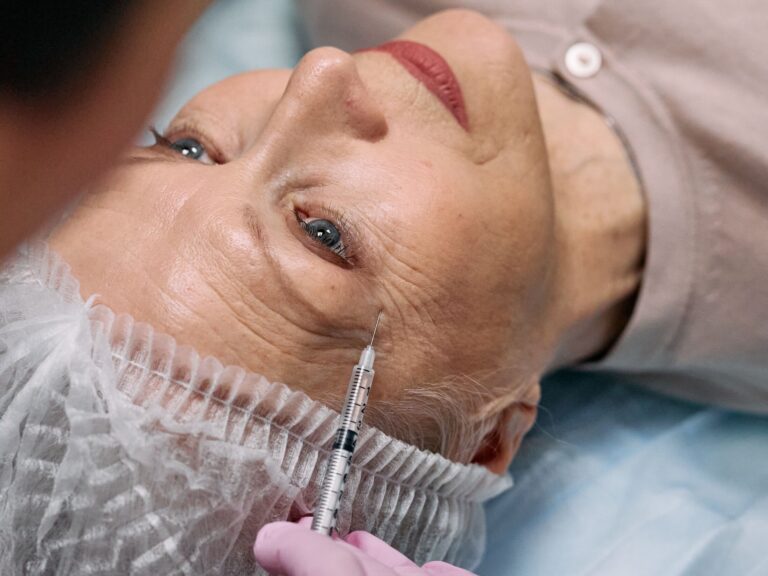
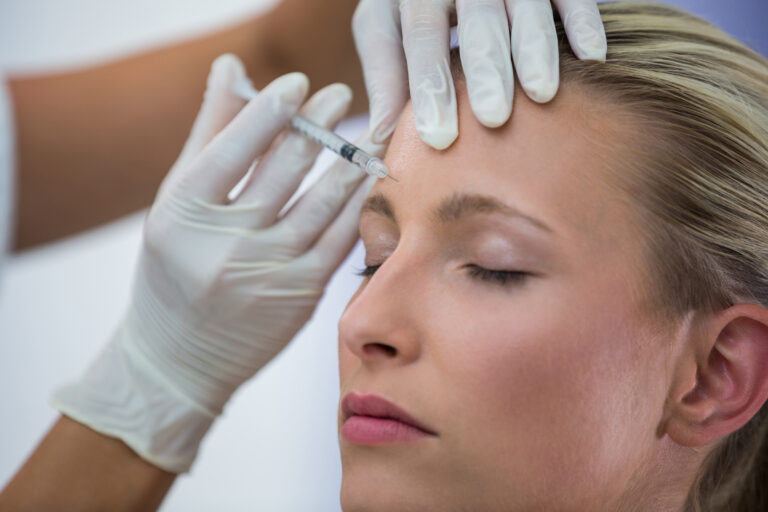
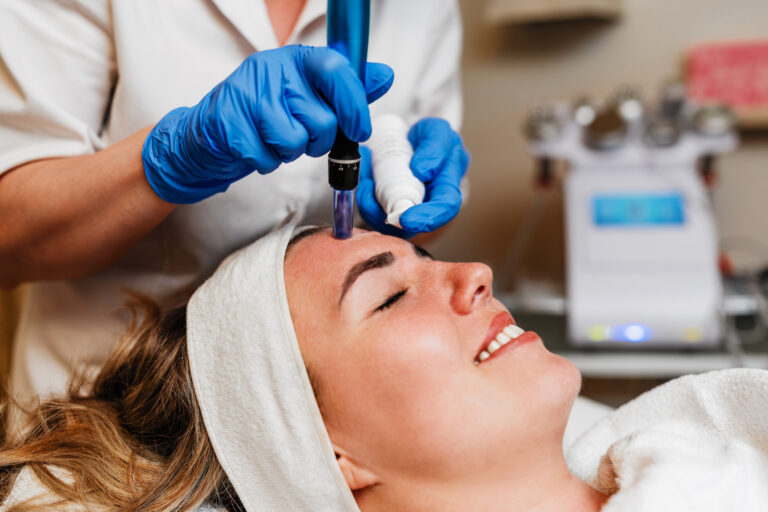
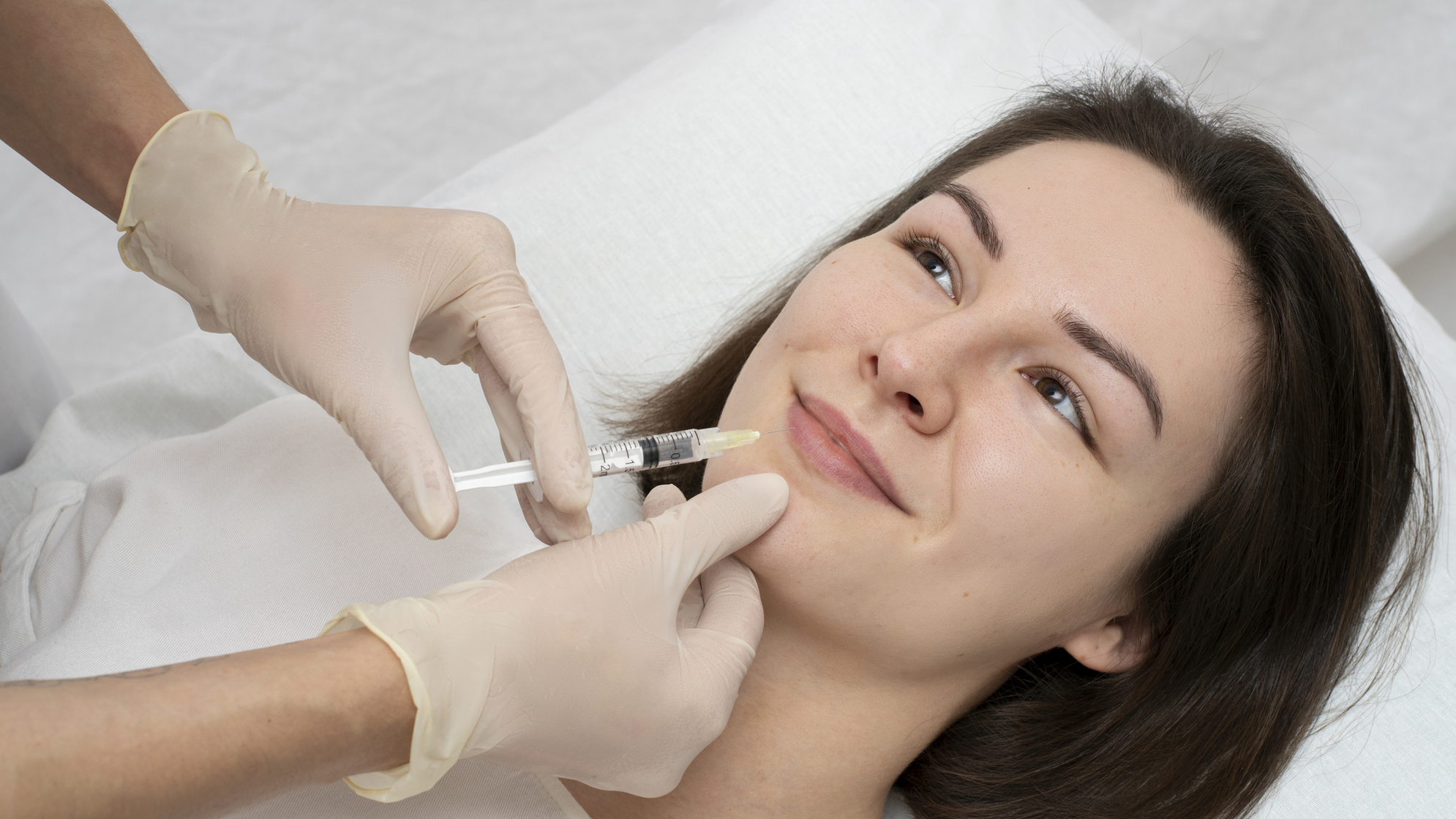
In practical terms, PDRN is usually delivered through a series of tiny intradermal injections across the face, neck, or under-eye area as a “skin booster” treatment. Topical PDRN serums also exist, but when people talk about meaningful PDRN anti-aging results, they are usually referring to the injectable version, not the skincare bottle version.
Why Everyone’s Talking About It
The appeal is simple: many people do not want to look “done,” but they do want skin that looks fresher, bouncier, and less tired. PDRN fits that demand because it is marketed more as a skin-repair treatment than a reshaping treatment.
That difference matters. If filler is scaffolding and Botox is a muscle relaxer, PDRN is more like a repair nudge for stressed skin. The catch is that its evidence base is still much smaller than what exists for Botox and hyaluronic acid fillers, so it is better viewed as promising than fully settled.
What It Actually Does
Here is the breakdown of the science:
- PDRN activates adenosine A2A receptors, which are linked to anti-inflammatory and tissue-repair effects.
- It also contributes to the “salvage pathway,” meaning it supplies nucleotides and nucleosides that damaged tissue can reuse while rebuilding.
- In laboratory and clinical literature, it is associated with fibroblast activity and extracellular matrix support, which is why it gets tied to collagen-focused rejuvenation claims.
- It is also linked to VEGF signaling and angiogenesis, or new blood vessel formation, which may help tissue recovery and healing.
And no, your skin is not “becoming salmon.” The DNA is purified and processed; the point is not species transfer, but triggering repair pathways and providing building blocks in tissue that is inflamed, stressed, or healing.
What the Evidence Shows
The most encouraging part of the PDRN story is that there is real clinical data behind it, not just marketing language. Reported results from a 2019 clinical trial summary showed significant improvements in skin elasticity, hydration, and surface roughness after intradermal PDRN injections, with hydration improving by 23.4 percent and elasticity by 18.7 percent versus placebo at 12 weeks.
That said, this is not yet Botox-level evidence. Reviews still note that more studies are needed, protocols vary, and dosing is not perfectly standardized across settings. Even the broader regenerative literature describes PDRN as promising rather than definitive, which is the right level of confidence to bring into this topic.
Where It Fits Next to Fillers and Botox
This is where readers usually get confused, so here is the simplest breakdown:
| Treatment | Best at | What it does |
|---|---|---|
| Botox | Dynamic wrinkles | Relaxes muscles that create expression lines |
| Filler | Volume loss and deep folds | Physically restores structure and contour |
| HA skin booster | Quick hydration and glow | Improves plumpness and surface moisture |
| PDRN skin booster | Repair and skin quality | Aims to support healing, texture, elasticity, and regeneration signaling |
So, can PDRN replace filler or Botox? Usually, no. It makes more sense as a skin-quality treatment for dullness, dehydration, crepey texture, or mild early aging changes than as a solution for major volume loss or strong expression lines.
What Treatment Usually Looks Like
Most reviews describe PDRN as a course treatment rather than a one-and-done appointment. A common pattern is three to five sessions, spaced over several weeks, using microinjections placed across the face or other treatment areas.
What should someone expect?
- Tiny injection points rather than large filler-style placement .
- Gradual results, not immediate transformation.
- Temporary redness, swelling, or injection marks are the most typical short-term tradeoff reported in available summaries.
This is one reason PDRN appeals to patients who like subtle change. It is less about walking out with instant contour and more about your skin looking quietly better over the following weeks.
Who It Seems Best For
Based on current positioning and available evidence, PDRN looks most sensible for people who want improvement in:
- Dry, dull, tired-looking skin
- Mild crepiness or early textural aging
- Post-procedure recovery support after treatments like lasers or microneedling
- Skin quality concerns that are not severe enough to need structural filler correction
It looks less compelling as a first choice if the main complaint is deep nasolabial folds, jowling, or forehead lines caused by muscle movement. (Learn which stage your skin is currently in here.) In those cases, filler, energy devices, or neuromodulators usually match the problem more directly.
Is It Worth the Hype?
PDRN is not magic, and it is not a replacement for every other injectable. But it is a legitimate part of the broader shift toward regenerative aesthetics, where the goal is healthier-looking skin rather than obvious cosmetic change.
PDRN may be worth considering if your goal is better skin quality, gradual improvement, and a low-drama treatment path. If your goal is lifting, strong wrinkle freezing, or replacing lost facial volume, it is probably the wrong hero treatment on its own.
References
- “Pharmacological Activity and Clinical Use of PDRN” ; https://pmc.ncbi.nlm.nih.gov/articles/PMC5405115/
- “Polydeoxyribonucleotides (PDRNs) From Skin to Musculoskeletal Tissue Regeneration via Adenosine A2A Receptor Involvement” ; https://pubmed.ncbi.nlm.nih.gov/27791262/
- “PDRN Injections vs Topical PDRN: What’s the Difference” ; https://www.theinkeylist.com/blogs/news/pdrn-injections-vs-topical
- “What Is the Difference Between PDRN and HA Skin Boosters?” ; https://www.singderm.com/what-is-the-difference-between-pdrn-and-ha-skin-boosters.html
- “What is PDRN? How PDRN Skin Booster Improves Skin Quality” ; https://www.delhiwellnessclinics.com/blog/what-is-pdrn-how-pdrn-skin-booster-improves-skin-quality