Inside RF Microneedling: Deeper Collagen Stimulation, Deeper Risks
Scrolling through aesthetic clinic treatment menus, it’s easy to assume RF microneedling is simply a turned-up version of the non-invasive RF treatments — it isn’t. It’s a distinct combination procedure with its own mechanism, its own evidence base, and its own real risks, including a 2025 FDA safety communication that most consumer content skips over entirely.
What You’ll Learn:
- How RF microneedling works, mechanically and thermally
- How it differs from non-invasive RF
- What conditions it treats best, and how strong the evidence really is
- What the FDA has flagged as a safety concern
- What a typical treatment session and recovery actually involve
- What treatment, cost, and recovery actually look like in practice
RF Microneedling vs. Non-Invasive RF: The Key Difference
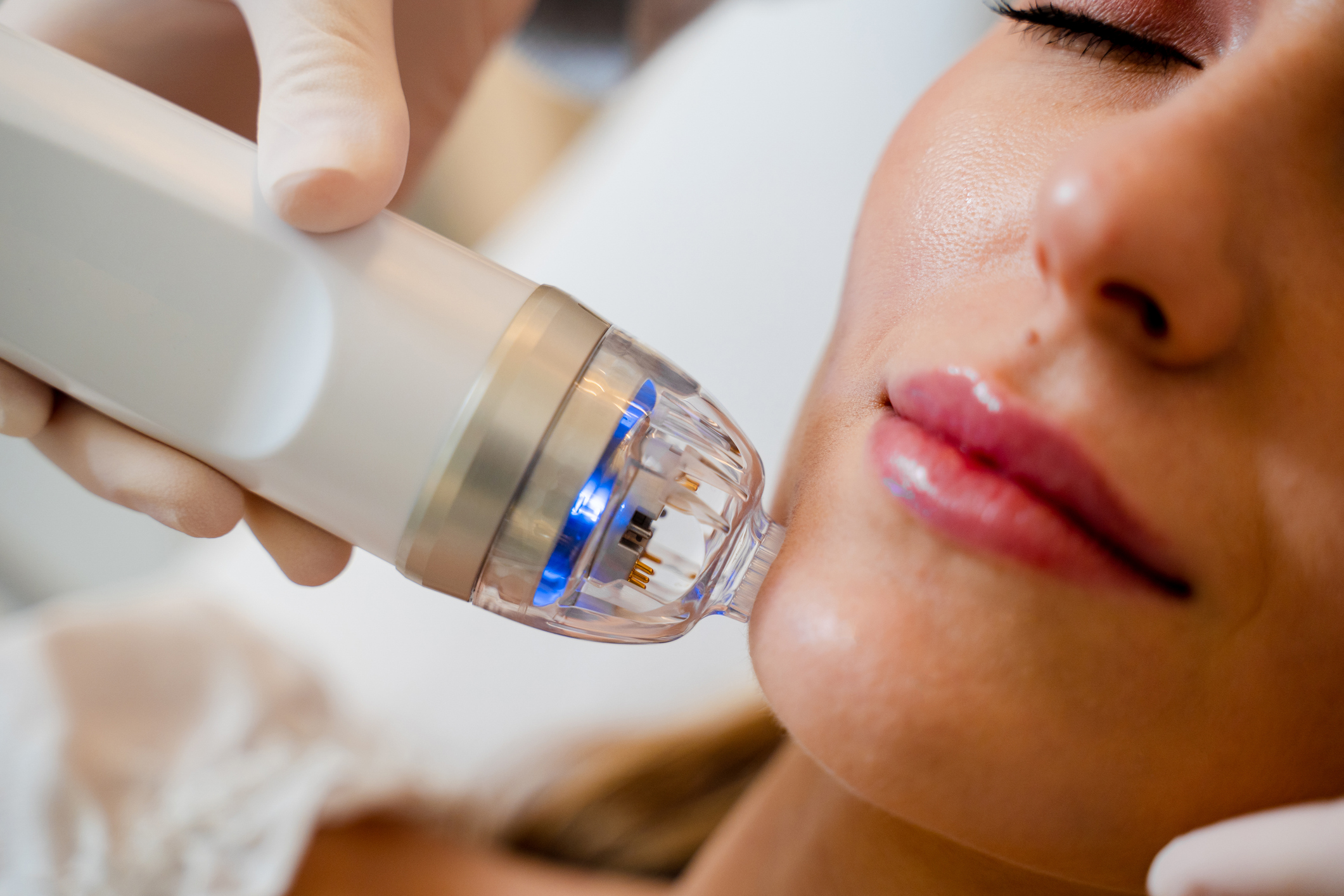
Non-invasive RF (sometimes called RF skin tightening) applies energy from the skin’s surface, heating the dermis indirectly, which is why gentler, at-home versions exist (read more about non-invasive RF here).
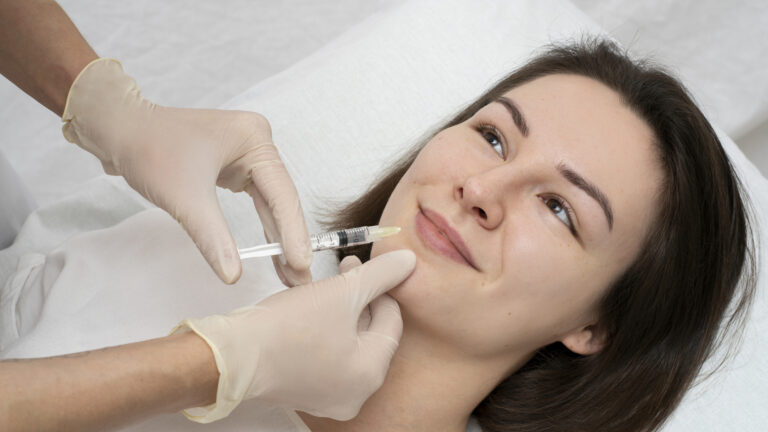
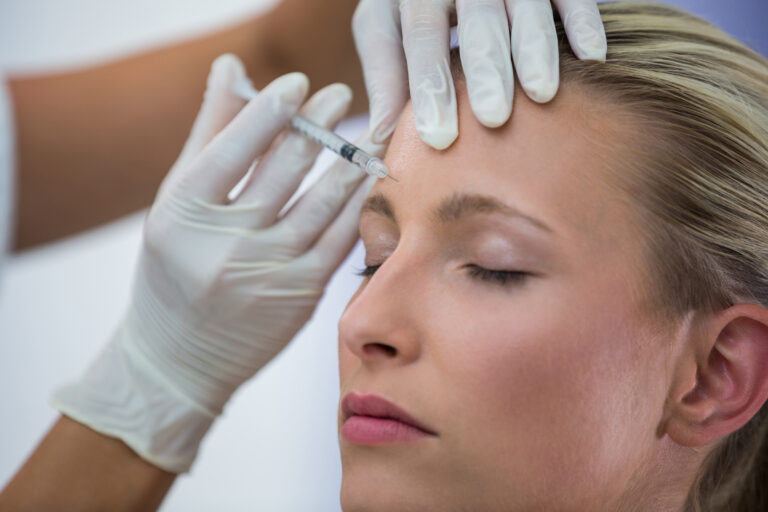
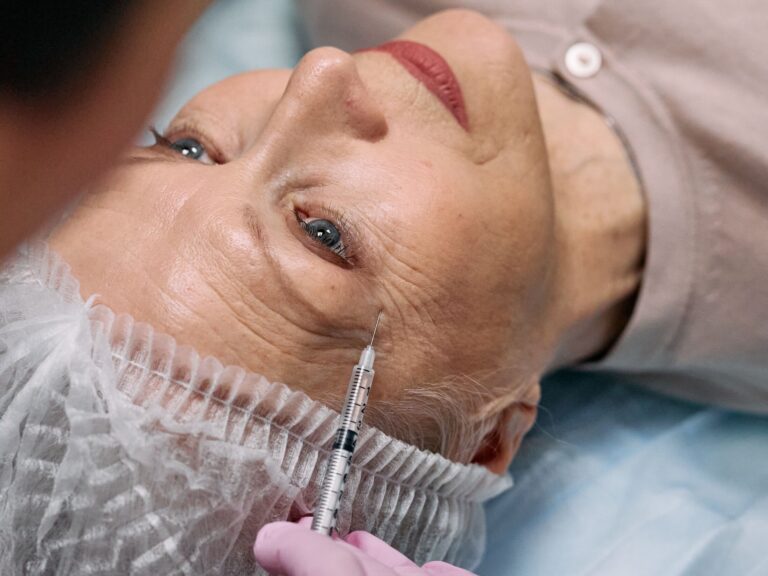
RF microneedling has a different working mechanism: fine needles physically penetrate the skin. Then RF energy is released directly from the needle tips once they’ve reached the dermis, delivering heat at a controlled, deeper level. Because the energy bypasses the epidermis and enters through the needle channel itself, RF microneedling is exclusively a professional, in-office procedure, unlike non-invasive RF, which sometimes overlaps with consumer devices covered in our RF skin tightening guide.
How It Works
RF microneedling combines two separate injury mechanisms into one pass:
- The mechanical micro-trauma from the needles themselves.
- The thermal injury from RF energy released at each needle tip.
Together, these create controlled “microthermal zones” in the dermis while largely sparing the epidermis. It triggers a wound-healing cascade that produces new collagen and elastin over the following months. This dual mechanism is why RF microneedling is generally considered more effective for deeper skin remodeling than either microneedling or non-invasive RF used alone. Needle depth is typically adjustable between 0.5mm and 3.5mm, allowing providers to customize treatment for thinner areas like under the eyes versus thicker skin on the jawline or body.
What RF Microneedling Treats Best
RF microneedling has the broadest evidence base for:
- Fine lines and wrinkles, particularly around the eyes and lower face
- Acne scars and enlarged pores
- Skin laxity on the face, jawline, and neck
- Uneven texture and mild photoaging
A 2026 systematic review of 20 studies covering 558 patients found that RF microneedling’s epidermal-sparing design makes it a comparatively safer option for darker skin tones (Fitzpatrick III-VI), where treatments that damage the surface layer carry a higher risk of pigment changes.
The same systematic review found consistently strong results: over 90% of patients showed measurable improvement in wrinkles and skin quality across multiple studies, and patient satisfaction exceeded 90% in the large majority of trials, with some reporting 100% satisfaction at follow-up. Improvements in tightening and contour were shown to persist for six to twelve months post-treatment as new collagen continued to form, though most studies only tracked outcomes up to six months, so very long-term durability data is still limited. Most protocols in the reviewed studies used one to three sessions spaced three to four weeks apart, though many clinics recommend three to four sessions spaced four to six weeks apart for optimal results.
Who’s a Good Candidate
RF microneedling tends to work best for people with mild to moderate skin laxity, acne scarring, or early textural aging, rather than significant sagging that would call for a more invasive lift. It’s generally not recommended during pregnancy, for active skin infections or acne flares in the treatment area, or for anyone with a pacemaker or other implanted electrical device, since RF energy can interfere with these devices. People on blood thinners, or those prone to keloid scarring, should also flag this during consultation, since it affects both bleeding risk and healing response.
The Real Risks: What the FDA Wants You to Know
In October 2025, the FDA issued a safety communication specifically about RF microneedling, noting reports of serious complications including burns, scarring, fat loss, disfigurement, and nerve damage, some requiring surgical repair. The FDA was explicit on one point in particular: RF microneedling is a medical procedure, not a cosmetic treatment, and these devices should never be used at home.
It’s worth noting the contrast here: the large systematic review of published clinical studies found predominantly mild, transient side effects like redness and swelling with no serious complications reported, while the FDA’s notice draws on real-world adverse event reports rather than controlled trials, a reminder that outcomes depend heavily on provider training and equipment. The FDA’s practical guidance for anyone considering treatment is straightforward: seek a licensed provider with specific training on the device being used, and ask directly which device they plan to use before booking.
What Treatment Actually Costs
Pricing varies significantly based on the device used, treatment area, and provider experience, with per-session costs ranging from around $600 to $2,400, and full three-session packages typically running $1,800 to $7,200. Premium devices, physician-led practices, or larger treatment areas may cost significantly more, with some advanced treatments reaching around $4,000 or more per session. Because optimal results usually require a series of treatments rather than a single session, patients should ask providers about package pricing and the recommended number of sessions upfront rather than budgeting only for individual visits.
What Treatment and Recovery Involve
A typical session starts with topical numbing cream, followed by roughly 30-60 minutes of treatment depending on the area covered. Mild pain during treatment is common and generally rated as manageable, though sensitive areas like the periorbital region can feel more uncomfortable. Immediately afterward, skin often looks and feels similar to a moderate sunburn, with redness, warmth, and mild swelling that typically peaks in the first 24 hours.
Aftercare in the first day matters more than people expect: most providers recommend avoiding makeup, skincare products, and sweating for at least 12-24 hours to reduce infection risk while the micro-channels heal. Active ingredients like retinoids, vitamin C, and exfoliating acids should be paused for 5-7 days, and direct sun exposure should be minimized for about two weeks, since treated skin is more prone to pigment changes during this window. Redness and swelling generally resolve within two to five days, mild flaking can occur days three through five, and most people return to normal activities almost immediately, making it a genuinely low-downtime procedure when performed correctly.
Conclusion
RF microneedling earns its reputation as an effective, well-studied collagen-building treatment, but the FDA’s 2025 warning is a legitimate reason to choose your provider as carefully as you choose the treatment itself. Whether it’s the right choice ultimately comes down to matching the depth of the procedure to the depth of your skin concern, and finding someone qualified to deliver it safely.
References
- Shauly, Orr et al. “Radiofrequency Microneedling: Technology, Devices, and Indications in the Modern Plastic Surgery Practice.” Aesthetic surgery journal. 2023
- Kumar, Narendra et al. “Radiofrequency Microneedling for Facial Rejuvenation: A Systematic Review.” Journal of cosmetic dermatology. 2026
- “Potential Risks with Certain Uses of Radiofrequency (RF) Microneedling” , FDA Safety Communication
- “Radio Frequency (RF) Skin Tightening: Benefits & Dangers”, Cleveland Clinic
- “RF Microneedling Aftercare: What to Do in the First 24 Hours”, Rani Beauty Clinic
- “What to expect at an RF microneedling appointment”, Thervo