Exosome Skincare Explained: What the Research and Regulations Say
A few years ago, most people had never heard the word exosome. Now it’s showing up on skincare labels and clinic treatments everywhere. Search interest has climbed sharply. Clinics are adding exosome treatments to their menus almost as fast as new devices come to market. But underneath the buzz sits a more complicated story than most marketing lets on. It involves real early science and a regulatory picture that’s easy to misread.
What You’ll Learn:
- What exosomes actually are and how they signal skin repair
- What clinical research shows so far — and its real limitations
- What “not FDA-approved” actually means for skincare, and why it’s not as alarming as it sounds
- The real regulatory line between topical, microneedling, and injectable exosome treatments
- How exosomes compare to PRP, and what sourcing questions matter most
What Are Exosomes, Exactly?
Exosomes are tiny, membrane-bound particles released by nearly every cell in your body. They’re extremely small, typically between 30 and 150 nanometers and far smaller than a single cell. Despite their size, they carry meaningful cargo, including growth factors, proteins, and genetic material like RNA. Think of them as a messaging system between cells. When exosomes reach a target cell, they deliver signals that can trigger repair processes. They can also encourage collagen production and support tissue regeneration.
It’s worth clearing up a common misconception here. Exosomes are not stem cells, even though the two often get mentioned in the same breath. Stem cells are living cells capable of becoming other cell types. Exosomes are simply the messengers those cells release. They don’t carry any regenerative capacity of their own the way a living cell does.
What Does the Research Show?
Several small clinical studies have looked at topical or microneedling-assisted exosome application, and the early results are genuinely promising. Researchers have reported improvements in hydration, wrinkle depth, skin elasticity, and pore appearance after treatment. One trial found that exosomes performed comparably to PRP for improving wrinkles and overall texture.
That said, it’s important to be explicit about the limitations of this evidence. Most of these studies are small in scale. Many lack a proper control group, and they typically follow patients for only a few months rather than years. Large, double-blind randomized controlled trials are the gold standard for clinical evidence, and those trials simply don’t exist yet for exosomes. The underlying science is plausible, and the early data is encouraging, but it hasn’t reached the certainty that treatments like retinoids or sunscreen have after decades of accumulated research.
The “Not FDA-Approved” Status
It helps to know a basic fact about skincare regulation in the United States: most cosmetic products sold to consumers do not require FDA approval before reaching the market. That is how cosmetic regulation generally works, and it applies to the majority of serums, moisturizers, and other skincare products—not just exosome products.
FDA approval is different from simply being FDA-regulated. When the FDA approves a drug or biologic, the agency has conducted a formal review of evidence supporting its safety and effectiveness for a specific use. Cosmetics generally do not go through this type of premarket approval process, although companies remain responsible for ensuring their products are safe and properly labeled.
Exosomes are a more specific case. The FDA has stated that there are currently no FDA-approved exosome products. This does not mean every exosome product is automatically unsafe, nor does it mean exosome research itself lacks scientific basis. It means that consumer exosome products have not gone through FDA approval demonstrating safety and effectiveness for their marketed uses.
That distinction matters because “exosome” is not a standardized cosmetic category with FDA-defined requirements for source material, composition, or potency. Products marketed under the same label may differ substantially in how exosomes are sourced, processed, characterized, and manufactured. Consumers should therefore be cautious of marketing claims that imply FDA approval, medical-grade validation, or clinical proof that has not actually been established.
The Real Regulatory Line: Topical vs. Injectable vs. Microneedling
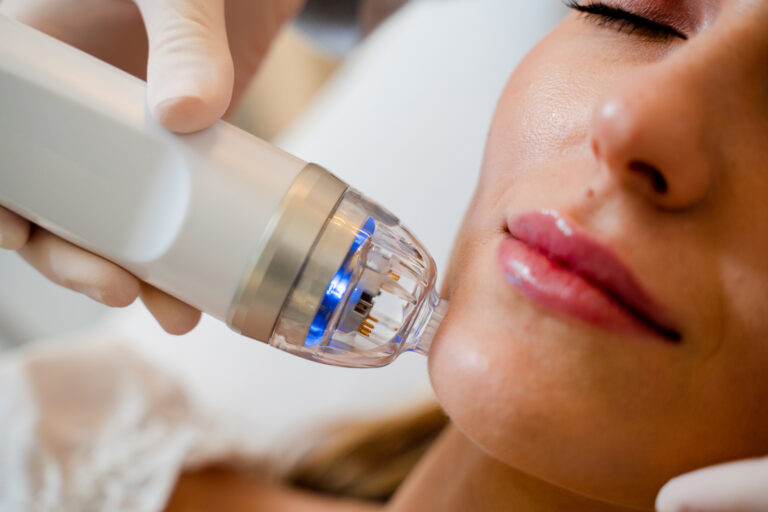
Where things get more serious is delivery method, and this is the distinction that actually matters most. Topical exosome skincare products fall under standard cosmetic regulation, similar to most other skincare products on the market. They’re generally considered lower risk, though their ability to penetrate skin and produce dramatic effects is also more limited as a result.
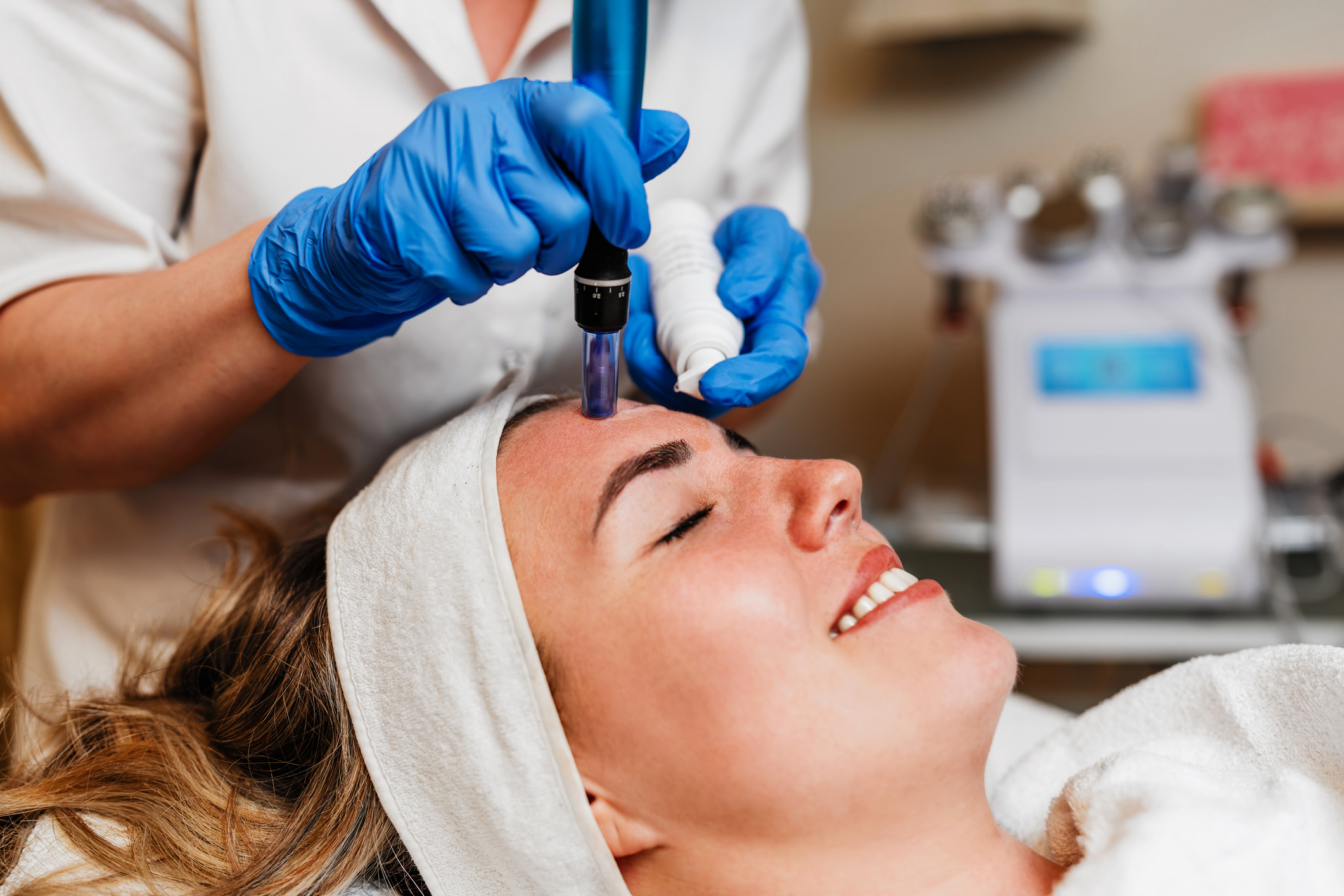
Microneedling-assisted exosome treatments are common in medical spas and dermatology clinics, and they occupy a murkier gray area. The procedure may involve a regulated device, while the exosome product itself may not have FDA approval for that use.
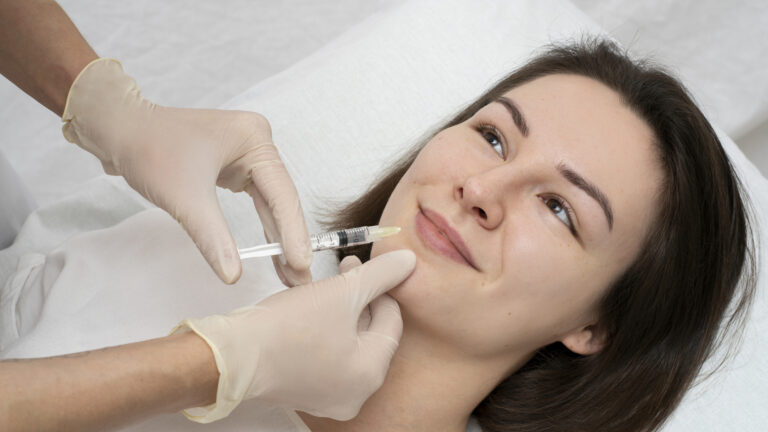
Injectable exosome products represent a clearer regulatory boundary. Exosome products intended to treat medical conditions are regulated by the FDA as biological products/drugs and require appropriate authorization before being marketed. The FDA has specifically issued consumer alerts and warning letters regarding unapproved exosome products, particularly those marketed as regenerative medicine treatments without FDA approval.
Exosomes vs. PRP: How They Compare
PRP, or platelet-rich plasma, has been used in aesthetic medicine for well over a decade and has a much deeper research base behind it than exosomes currently do. It’s also derived directly from your own blood, which gives it a well-established safety profile. Exosomes are newer to this space. They may offer more concentrated or targeted cellular signaling, but the field lacks the standardization PRP has built up over time.
Sourcing is an important detail that most marketing skips over. Exosomes can come from donor cells, plant sources, or lab-synthesized processes, and these differences affect both efficacy claims and safety considerations. A treatment labeled simply as “exosome therapy” can mean very different things, depending entirely on where those exosomes actually came from.
Who Might Consider Exosomes, and Who Should Wait
Given where the evidence currently stands, exosomes make more sense for some people than others. Say you enjoy trying emerging treatments and understand you’re accepting more uncertainty in exchange for being early. In that case, topical exosome serums are a relatively low-risk way to experiment. If you have sensitive or reactive skin, or a compromised immune system, extra caution makes sense, since sourcing and quality control still vary widely between brands. If your priority is proven, well-documented results with a long safety track record, stick with more established options like retinoids, sunscreen, or PRP for now. Neither path is wrong because this really comes down to your personal risk tolerance rather than one option being objectively correct.
Questions Worth Asking Before You Try It
A few direct questions can help you make a more informed decision before booking any exosome treatment. Ask about the specific sourcing of the exosomes used, and find out whether the provider is willing to share that information openly. Ask plainly whether the treatment involves topical application, microneedling, or injection, since that answer determines which regulatory category it actually falls under. Finally, keep your expectations grounded. The early research is encouraging, but this remains an emerging treatment rather than a proven, fully established one.
What to Watch for at a Clinic or Med Spa
A few practical red flags are worth keeping in mind if you’re considering an in-office treatment. Be cautious of any provider unwilling to disclose where their exosome product comes from because vague sourcing claims are a warning sign, not a minor detail. Be equally cautious of any clinic marketing injectable exosome treatments as fully approved or risk-free, since that claim simply isn’t accurate given current regulations. A reputable provider should be upfront about both the promising evidence and its current limitations, rather than only emphasizing the exciting parts.
The Bottom Line
Some dermatologists have described exosome skincare as roughly 70% hype and 30% real science, and that framing feels about right based on the current evidence. The underlying biology makes sense, and early results are worth paying attention to. At the same time, the research base is still thin, and regulatory oversight varies significantly depending on how a given treatment is actually delivered.
Exosomes aren’t a scam, but they also aren’t the settled science some marketing suggests. Where you land on trying one probably depends on two things. One is how comfortable you are being an early adopter of emerging treatments. The other is how much weight you personally place on having large-scale clinical evidence before committing.
FAQ
Are exosomes FDA-approved for skincare?
No exosome product currently has FDA approval for cosmetic or therapeutic use. That’s true of most skincare products, not just exosomes.
Are exosome skincare products safe?
Topical products are generally considered lower risk under standard cosmetic regulation. Injectable exosome treatments carry more regulatory and safety uncertainty.
Do exosomes actually work for skin aging?
Small clinical studies show promising improvements in hydration, wrinkles, and texture. Large-scale controlled trials don’t exist yet.
How are exosomes different from PRP?
PRP comes from your own blood and has over a decade of research behind it. Exosomes are newer, potentially more potent, but far less standardized.
References
- “Clinical Applications of Exosomes in Cosmetic Dermatology”
Skin health and disease, 2024 - “Exosomes in Skin Rejuvenation: Systematic Review of Anti-Aging Efficacy”
Dermatology Practical & Conceptual, 2026 - “Everyone Is Talking About Exosomes in Skin Care”
NBC News, 2025 - “The Innovative and Evolving Landscape of Topical Exosome Therapy”
Aesthetic surgery journal, 2024 - “Exosomes Are the Latest ‘Miracle’ Skincare Ingredient — But Are They Safe?”
National Geographic, 2025 - “Why Exosomes Are an Exciting Breakthrough in Skincare”
American Society of Plastic Surgeons, 2025