Chemical Peels for Anti-Aging: At-Home vs. Clinical Strength
“Chemical peel” gets used for everything from a $15 drugstore pad to a $600 clinical procedure with a week of visible peeling. Only some of that range actually touches the signs of aging most people are trying to fix, so this guide filters strictly through that lens: which depth of peel genuinely helps with fine lines, sun damage, and collagen loss, and which is mostly surface-level maintenance.
What You’ll Learn:
- Which signs of aging chemical peels can and can’t fix
- How depth determines real anti-aging results
- Superficial, medium, and deep peels compared directly
- How peels fit alongside actives like retinol and peptides
- How to choose the right depth for your specific concern
What Chemical Peels Actually Fix (Anti-Aging Lens)
Peels work by controlled chemical injury to the skin, which triggers the body’s own repair process. For aging skin specifically, the realistic targets are:
- Fine lines and early static wrinkles
- Sun-damaged, sallow, or rough texture
- Mild pigmentation tied to sun exposure
- Support for new collagen deposition in the dermis
What peels are not a great primary tool for: deep, structural wrinkles or lost facial volume. Those concerns need injectables, devices, or surgical options, not exfoliation, regardless of how strong the peel is.
Superficial Peels: The At-Home Tier
This tier covers glycolic, lactic, mandelic, and lower-strength salicylic acid products, along with trichloroacetic acid (TCA) in low concentrations under 15 percent. These peels only injure the epidermis, the skin’s outermost layer, without reaching the deeper dermis where collagen actually lives.
For anti-aging purposes, superficial peels are honestly a maintenance tool, not a wrinkle-reversal one. Clinical research on TCA peels notes that superficial-depth exfoliation reduces stratum corneum thickness and modestly supports collagen fiber synthesis, but the effect is much smaller than deeper peels achieve. If your main concern is dullness or light texture, this tier is appropriate. If your concern is visible static wrinkles, expect gentle support at best, not transformation.
Medium-Depth Peels: The Middle Ground
This is where chemical peeling starts to meaningfully affect the signs of aging. Medium-depth peels use TCA in the 15 to 35 percent range, often combined with Jessner’s solution or glycolic acid to allow more even penetration into the papillary dermis, the upper layer of the dermis just beneath the epidermis.
The evidence here is solid. A systematic review of TCA peeling for photoaging found that medium-depth peels using 35 percent TCA significantly reduced wrinkle depth and improved skin elasticity, hydration, and pigmentation across multiple randomized trials.
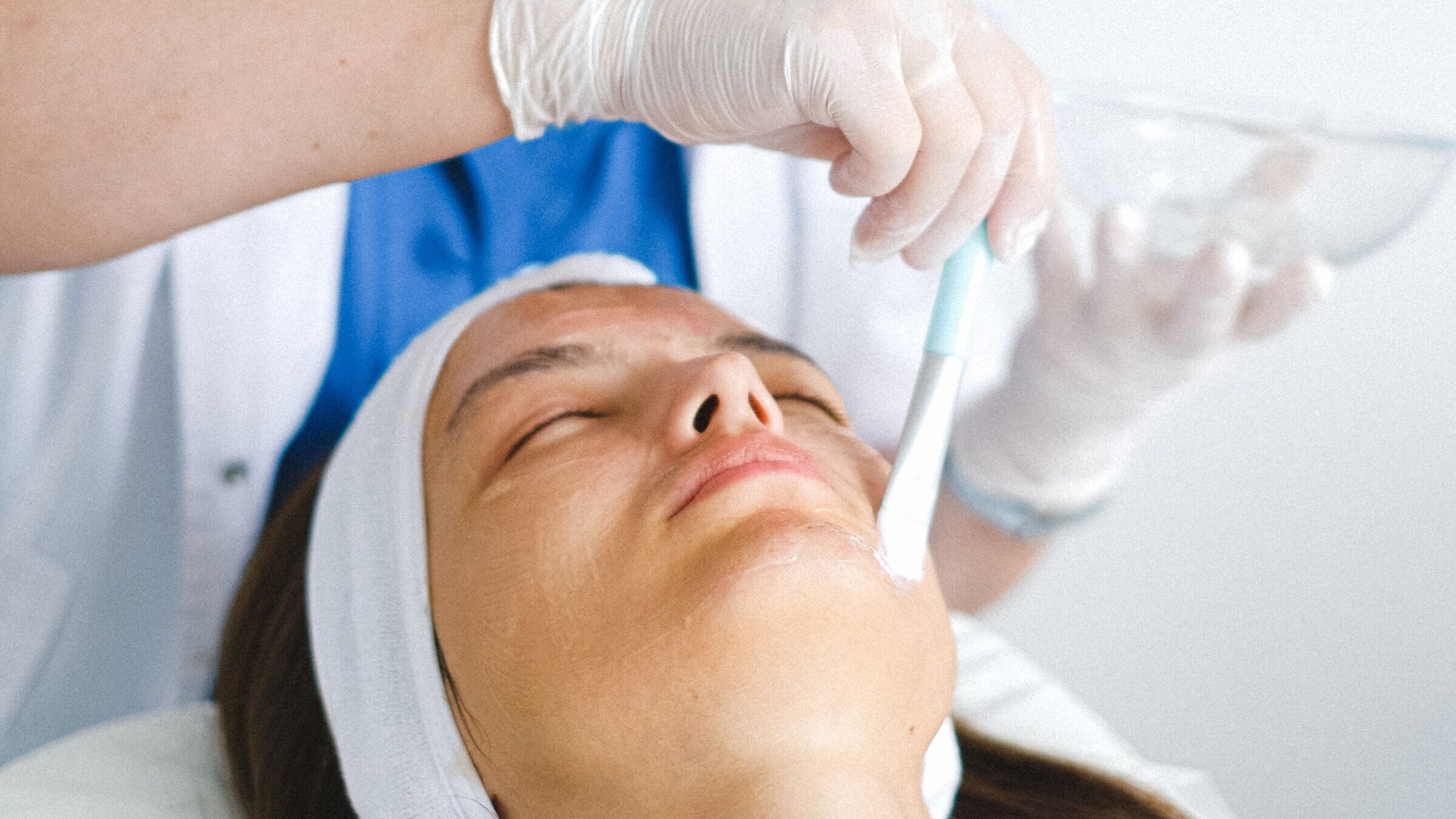
One trial comparing a combined glycolic acid and TCA peel against straight 35 percent TCA found both approaches produced significant improvement in skin elasticity, hydration, and pigmentation over a series of five sessions. This tier is typically performed by a dermatologist or trained aesthetic provider, not something to attempt at home.
Deep Peels: Clinical Territory
Deep peels use phenol or very high concentrations of TCA, penetrating into the reticular dermis, the deeper structural layer of skin. Histological studies tracking peel recovery over time found that medium and deep peels trigger a measurable, sustained increase in Type I collagen and organized new collagen fibers that continued developing for months after treatment, with thickened collagen bundles still visible at the 90-day mark.
This is where the strongest anti-aging evidence lives, but the tradeoffs are real. Deep peels require medical supervision, carry meaningfully longer downtime, often a week or more of visible peeling and redness, and phenol peels specifically carry a rare but documented cardiotoxicity risk that requires monitoring during the procedure.
This is squarely a decision to make with a dermatologist, not a routine skincare upgrade.
Peels vs. Other Actives: Where This Fits Your Routine
Peels are not a daily-use active like retinol or peptides. They’re a periodic intervention, done in a series with real recovery time between sessions, not something layered into a nightly routine.
| Superficial Peel | Retinol | Peptides | |
|---|---|---|---|
| Frequency | Occasional, at-home | Nightly | Nightly |
| Evidence strength | Moderate for maintenance | Strong, decades of trials | Growing, smaller-scale |
| Downtime | Minimal | None | None |
| Best for | Surface renewal, prepping skin for other actives | Deep cell turnover, wrinkle correction | Gentle collagen support |
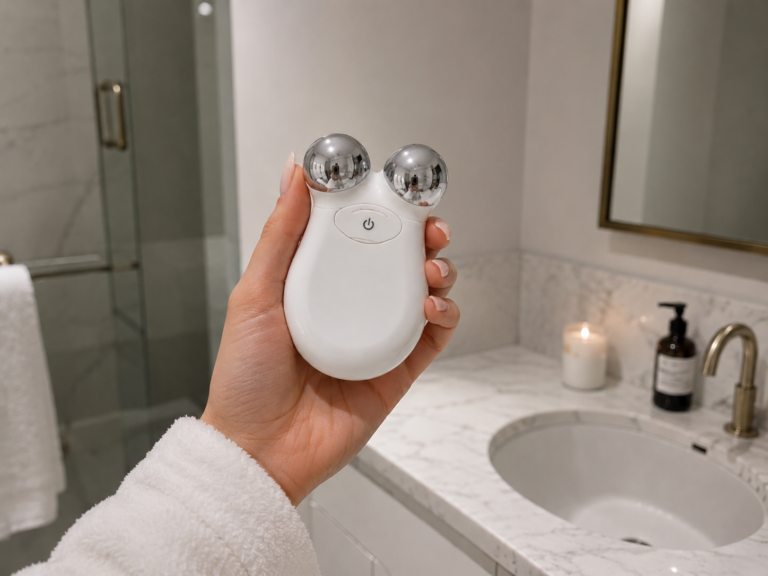
One combination worth knowing about: some clinics now pair post-peel skin with red light therapy, since photobiomodulation at the right wavelengths can help calm inflammation and support the skin’s repair process during the healing window after a peel. This is a good example of where an at-home device and a clinical topical treatment can genuinely complement each other rather than compete.
How to Choose the Right Depth for Your Goal
- Mild dullness or light texture → superficial, at-home tier is appropriate
- Visible fine lines, sun-related pigmentation, early textural aging → medium-depth, done professionally
- Deep static wrinkles or significant photodamage → deep peel, or consider whether injectables like fillers or biostimulators might actually be the better-matched tool for your specific concern
If you’re already using retinol or peptides and considering a peel on top, talk to a dermatologist about spacing, since combining active ingredients with peeling can increase irritation risk.
The Bottom Line
Peels are a legitimate part of an anti-aging routine, but depth is everything. Most people overestimate what an at-home pad can realistically do for wrinkles, and underestimate the commitment a clinical-strength peel actually requires. Match the depth to the concern, not the marketing claim on the website.
References
- “Basic chemical peeling: superficial and medium-depth peels.” Journal of the American Academy of Dermatology 81.2 (2019): 313-324.
- “Trichloroacetic Acid Peeling for Treating Photoaging: A Systematic Review.” Dermatology research and practice vol. 2021 3085670. 30 Aug. 2021
- “Short and long term clinical and histological evaluation of medium-depth chemical facial peel with 35°/o trichloroacetic acid on photo damaged skin.” Ain Shams Journal of Surgery 7.2 (2014)
- “TCA chemical peel as facial anti-aging therapy for postmenopausal women: a randomised clinical study.” Postepy dermatologii i alergologii vol. 42,1 (2025)
- “Skin rejuvenating effects of chemical peeling: a study in photoaged hairless mice.” International journal of dermatology vol. 50,9 (2011)
- “Integrating Chemical Peels and LED Light Therapy for Maximum Radiance” Timeless Med Spa